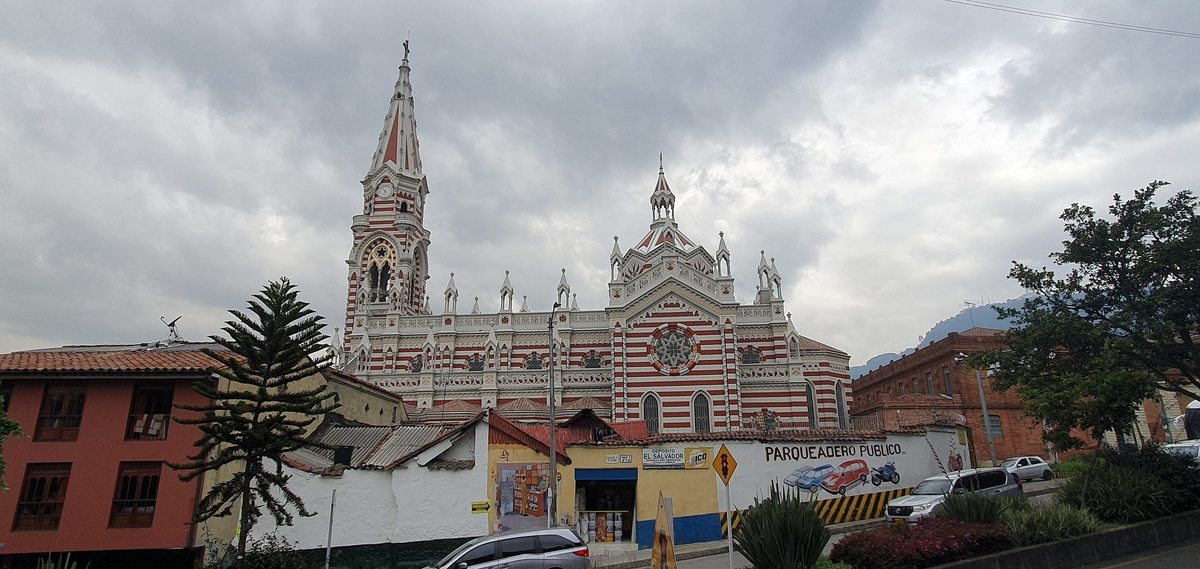
Santuario Nuestra Señora del Carmen
Gothic and Byzantine styles frame this catholic temple.
 Sua Houses
Back to Sua Houses
A GUIDE BY PABLO & PATRICIA
The places we love around our homes, and where we like to eat. Everything here is on foot, or a short ride away. Every place shows its distance from Xia Xue House and how to get there. Each list runs nearest first.
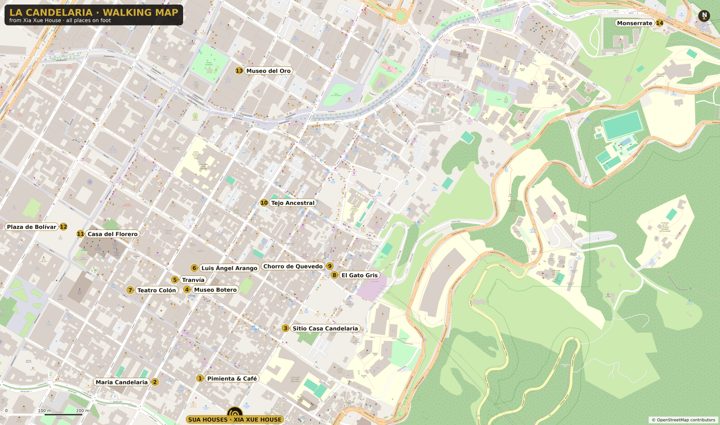 Open the interactive map →
TOURIST PLACES
Museums, squares, churches and markets, from our doorstep to a day trip out of town.
Gothic and Byzantine styles frame this catholic temple.
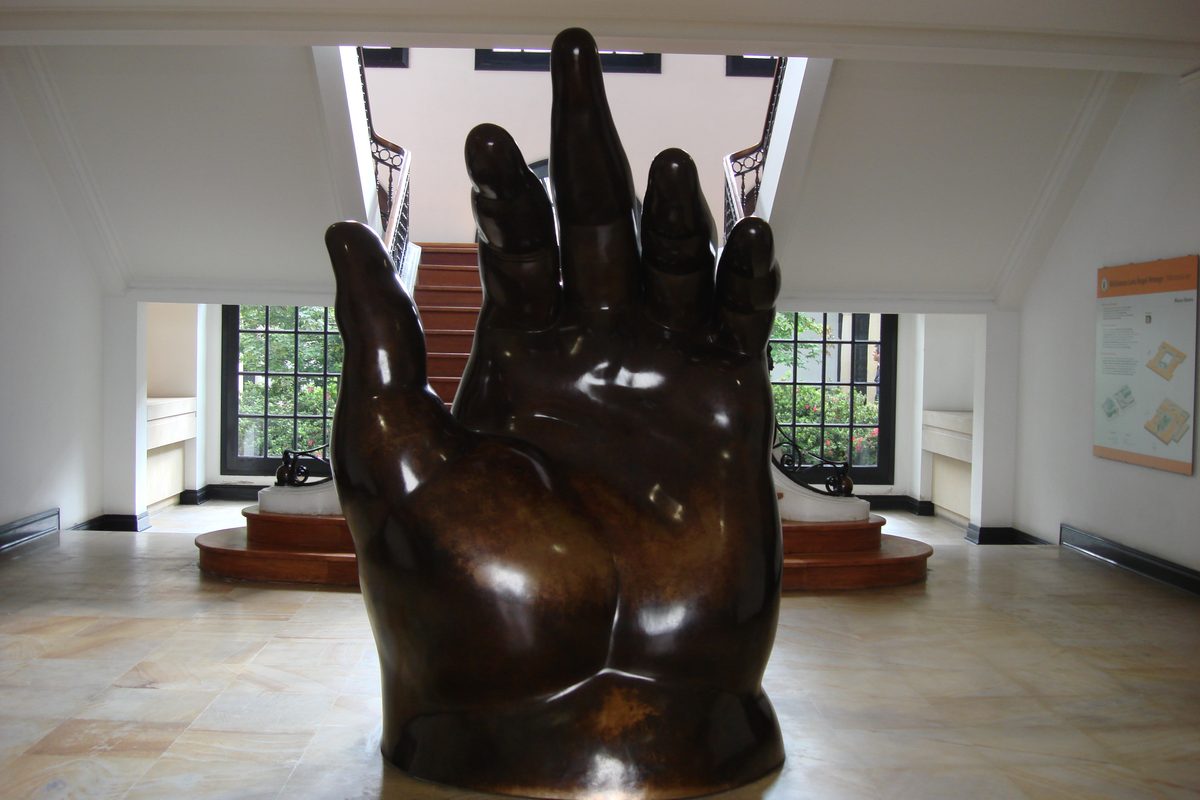
This museum is home to the private art collection of our most famous artist, Fernando Botero, and several of his own works.
Free entrance
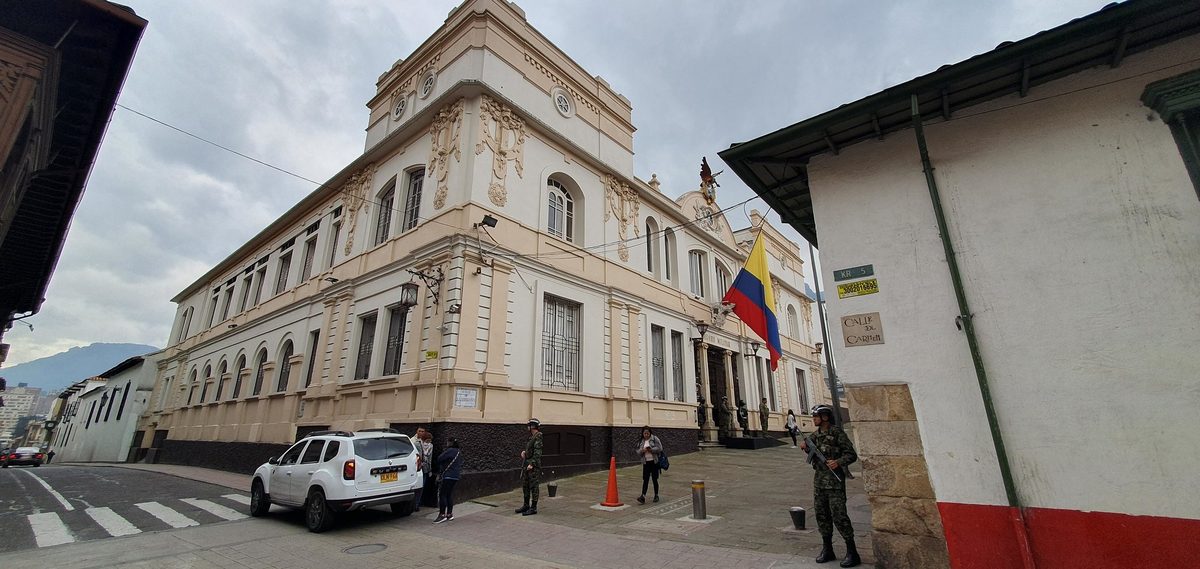
More than 200 years of Colombian military history.
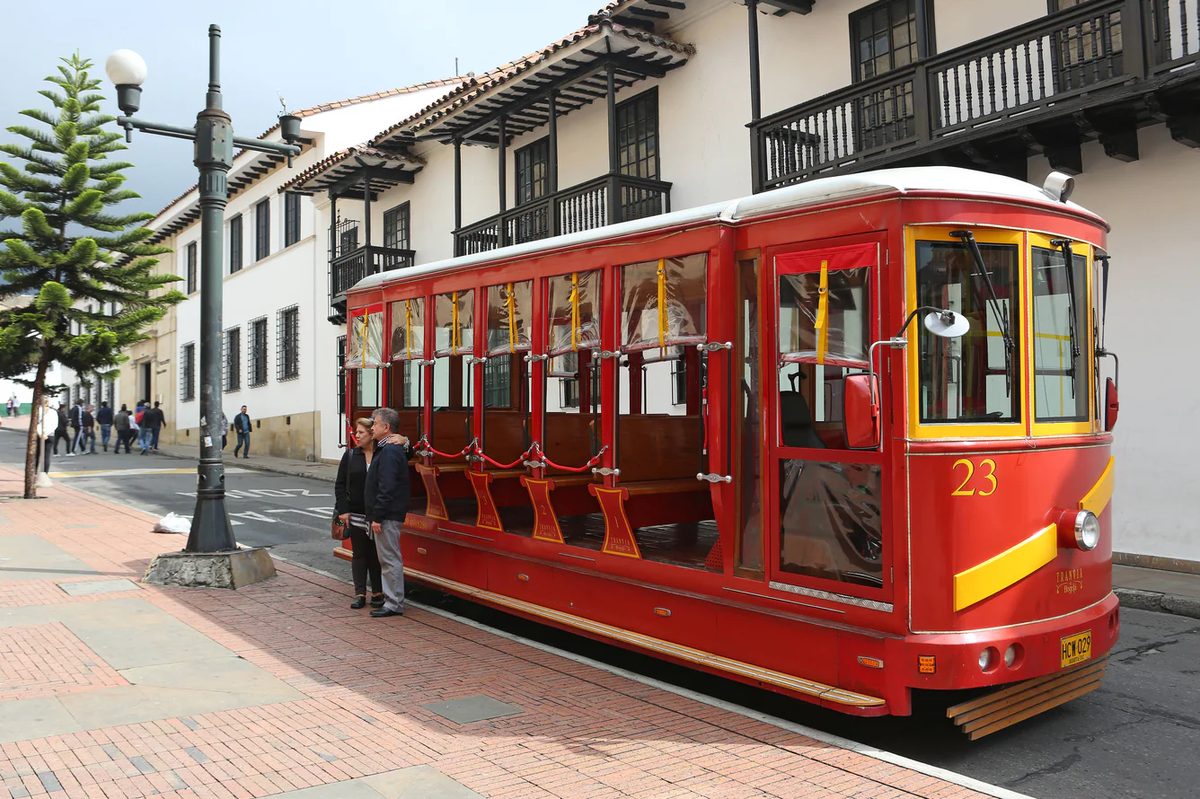
Ride the red open tram through La Candelaria, with guides and characters from the city's history telling stories along the way. It boards in front of the Casa de Moneda and runs Wednesday to Sunday. Bogotá's first tram ran from 1884, pulled by mules and later electric, until 1951. You can still see its rails at Carrera 7 and Avenida Jiménez.
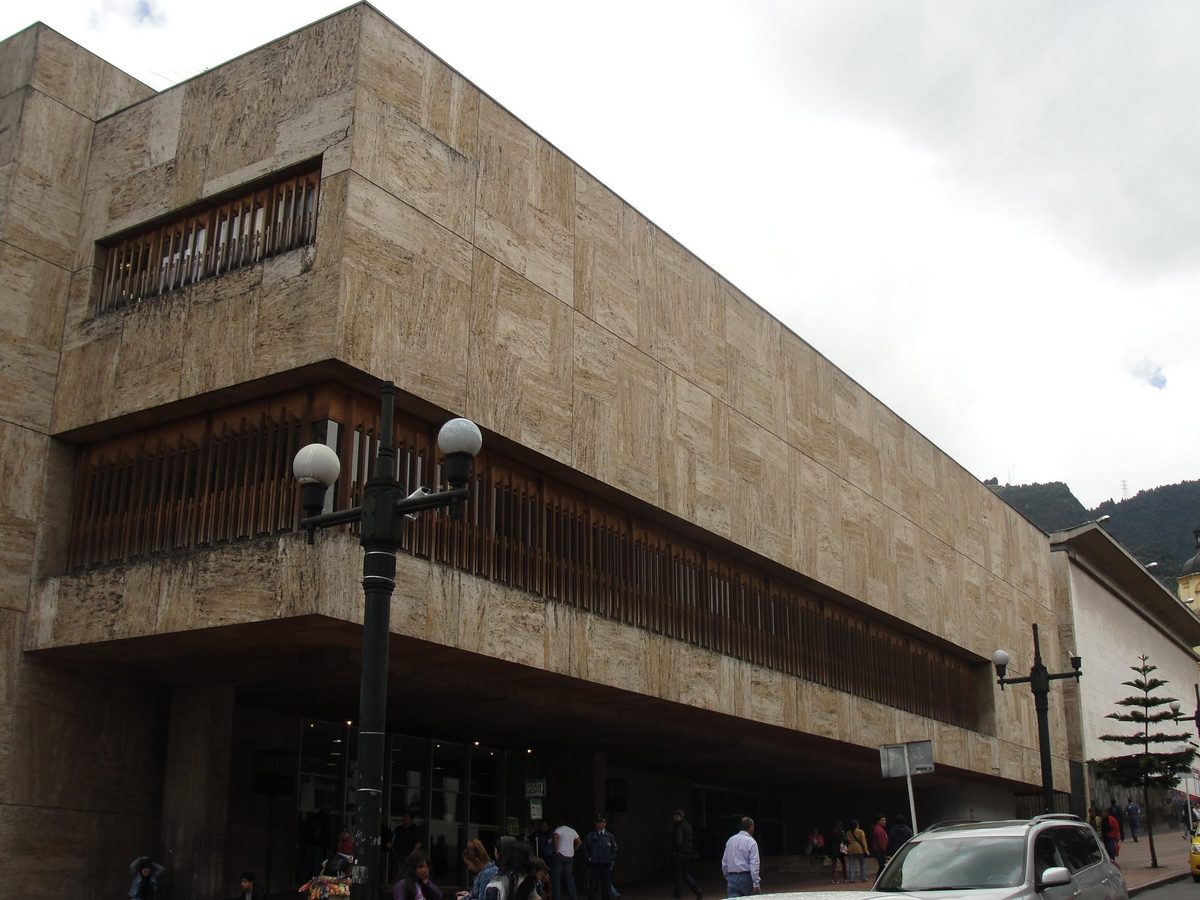
The most important public library in Bogotá. It hosts different cultural activities such as concerts, expositions, workshops, and more.
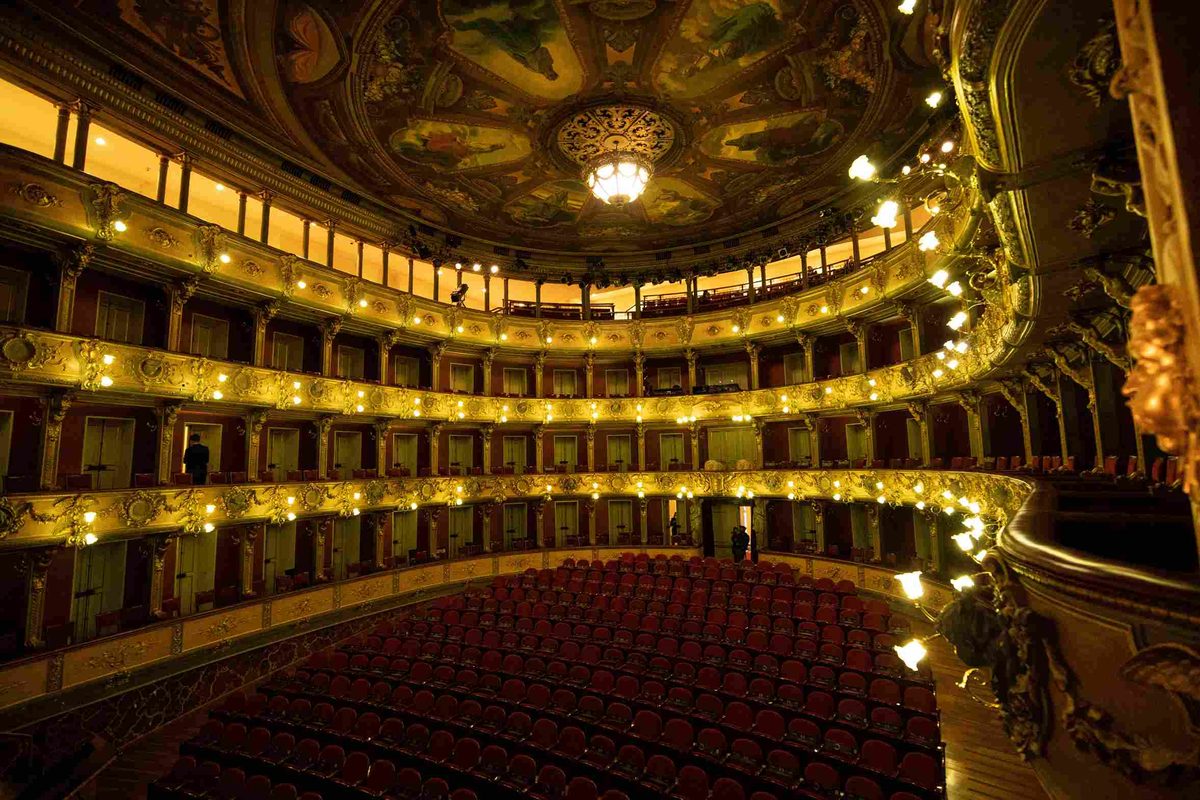
Appreciate neoclassic architecture in the most elegant theatre in Bogotá.
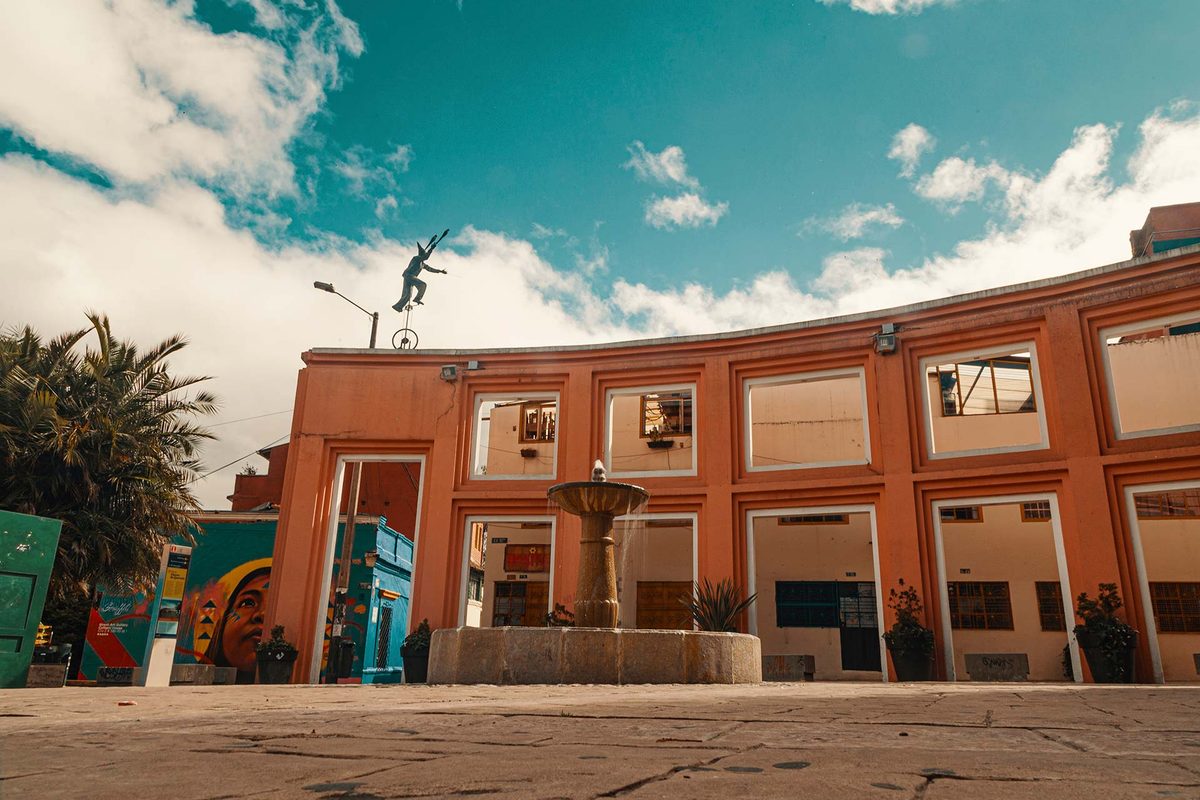
Have a walk, listen to cuenteros, have some chicha and dinner in the local restaurants. El Chorro is surrounded by myths about the foundation of the city. This square used to be the border between the Spanish city, Pueblo Viejo, and the indigenous one, Thibsaquillo. El Chorro is one of the most iconic landmarks in Bogotá.
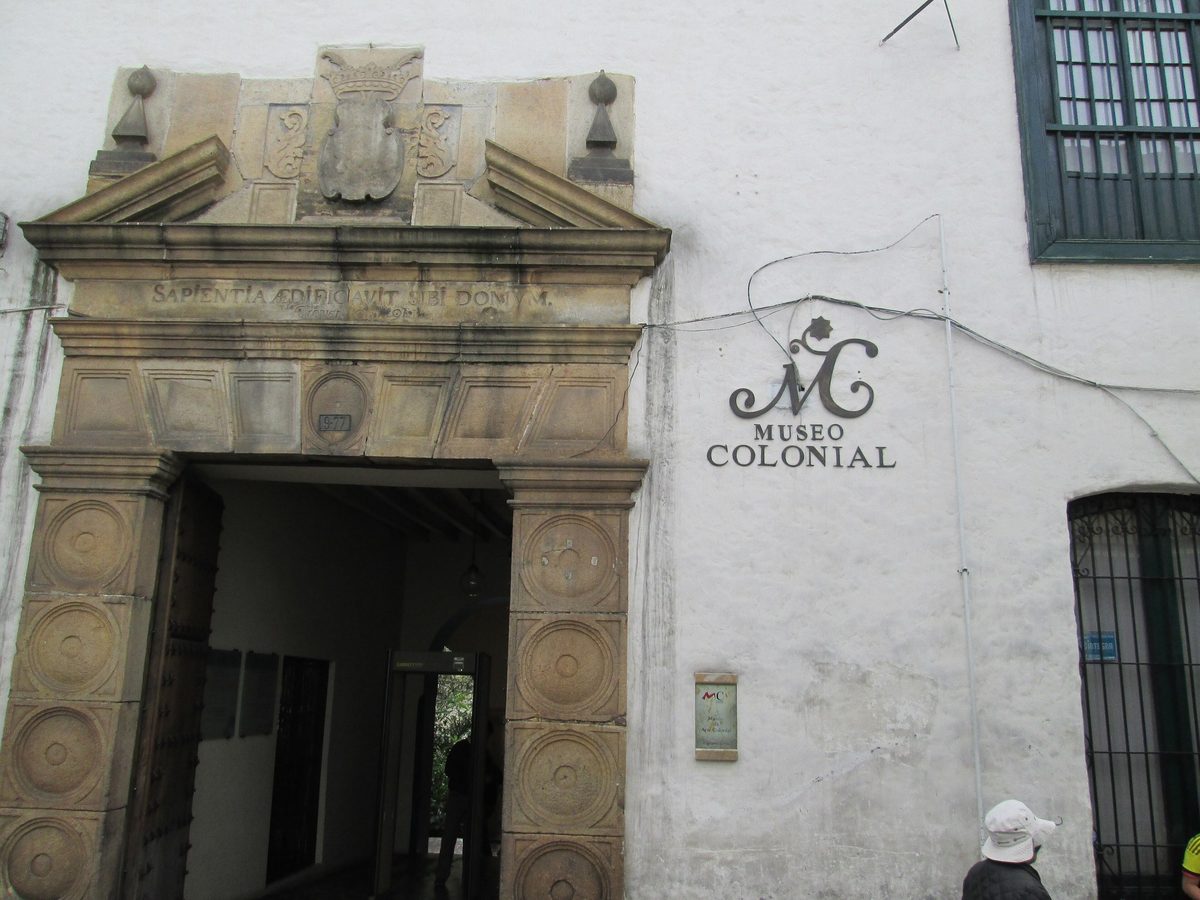
Find collections of paintings, sculptures, textiles, silver, and furniture from colonial times.
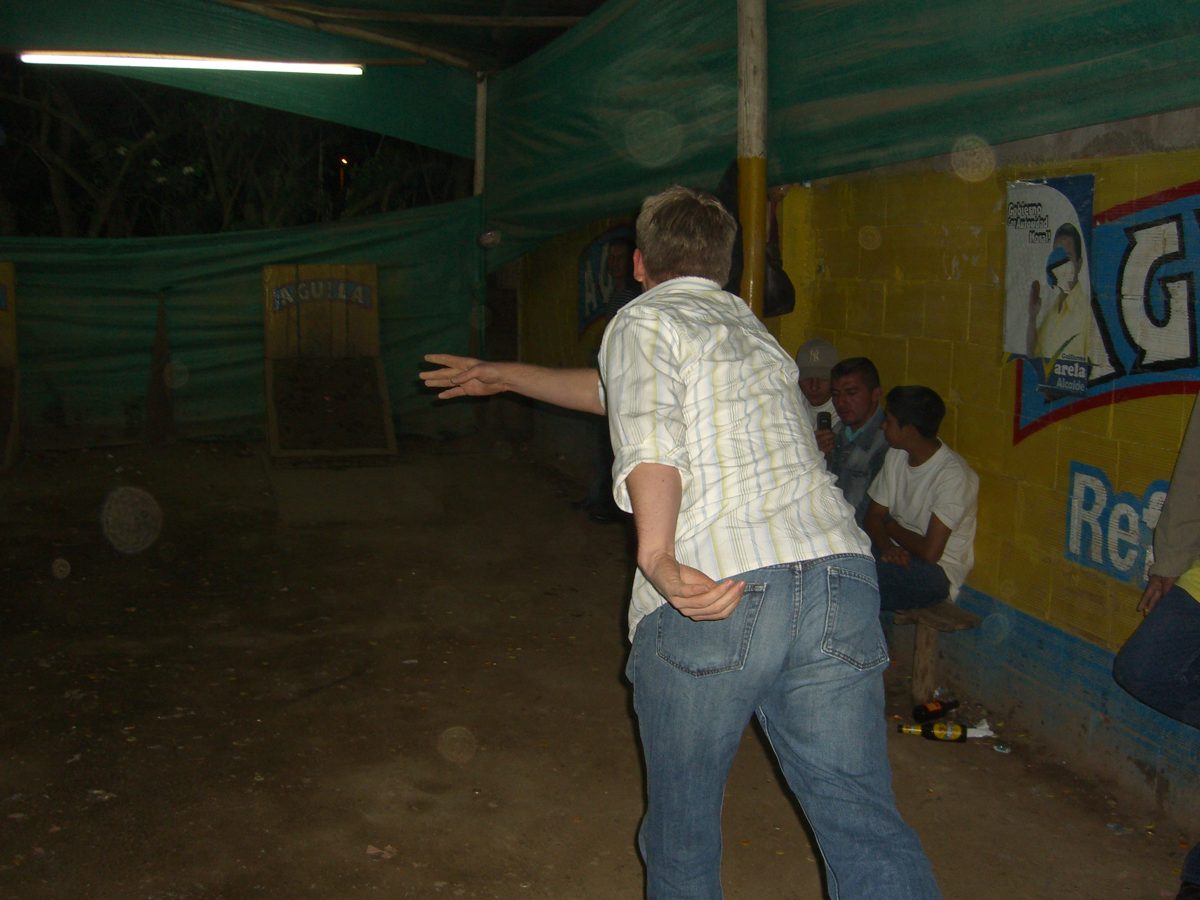
Tejo is Colombia's own game, with Muisca roots: you throw a heavy metal disc at a clay pit, aiming for the ring and the gunpowder packets that pop when you hit them. The staff starts with a short walk through the mural, the history and the rules, so first-timers are playing within minutes, with Colombian author cuisine and craft beer alongside. It is the polished, beginner-friendly version of the game, and the price shows it. Courts from $60,000 COP for up to eight people; book ahead, especially Friday and Saturday.
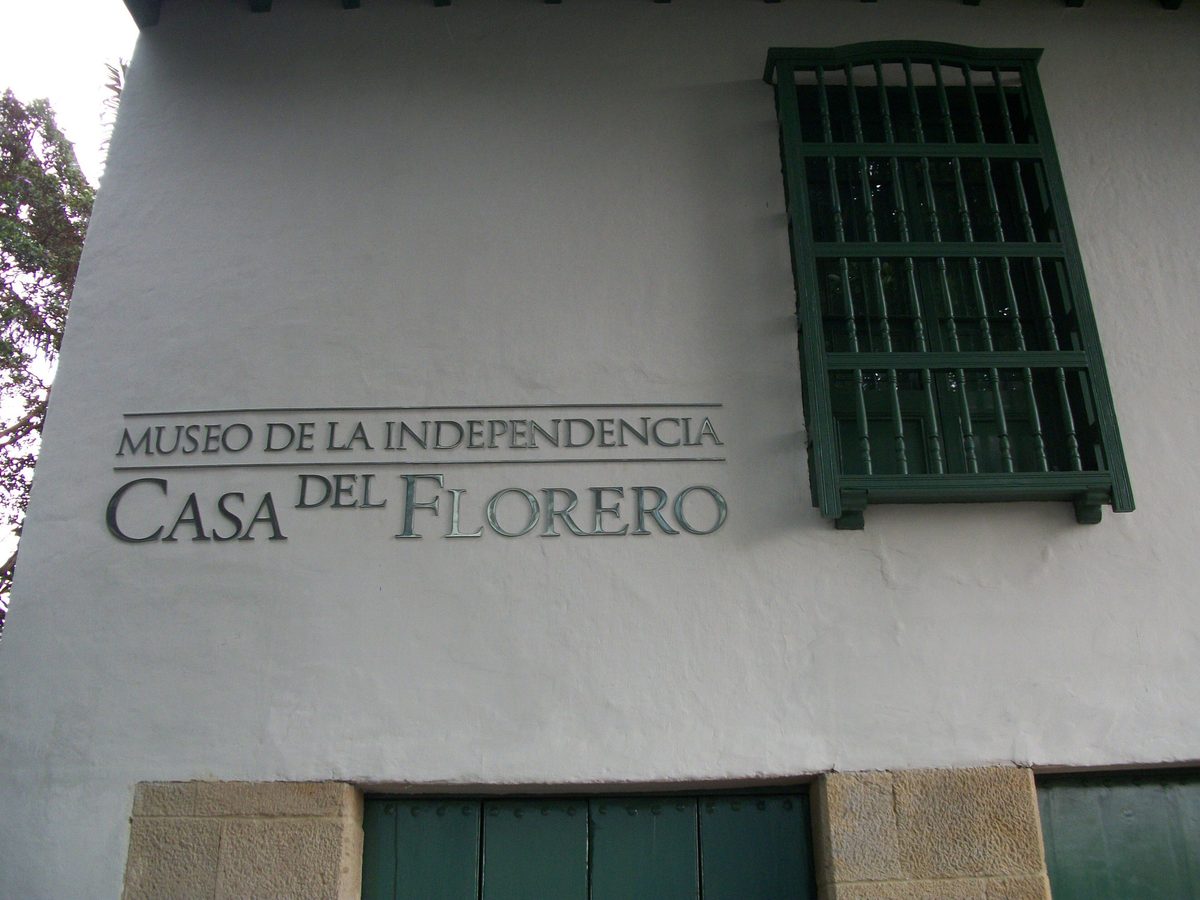
Visit the house where the Llorente vase incident, which sparked the protests that led to the Independence of Colombia on July 20, 1810, took place: the Museum of Independence, Flower Vase House, located in Bolívar Square. Here you can see about 2,000 objects related to the history of the country's independence.
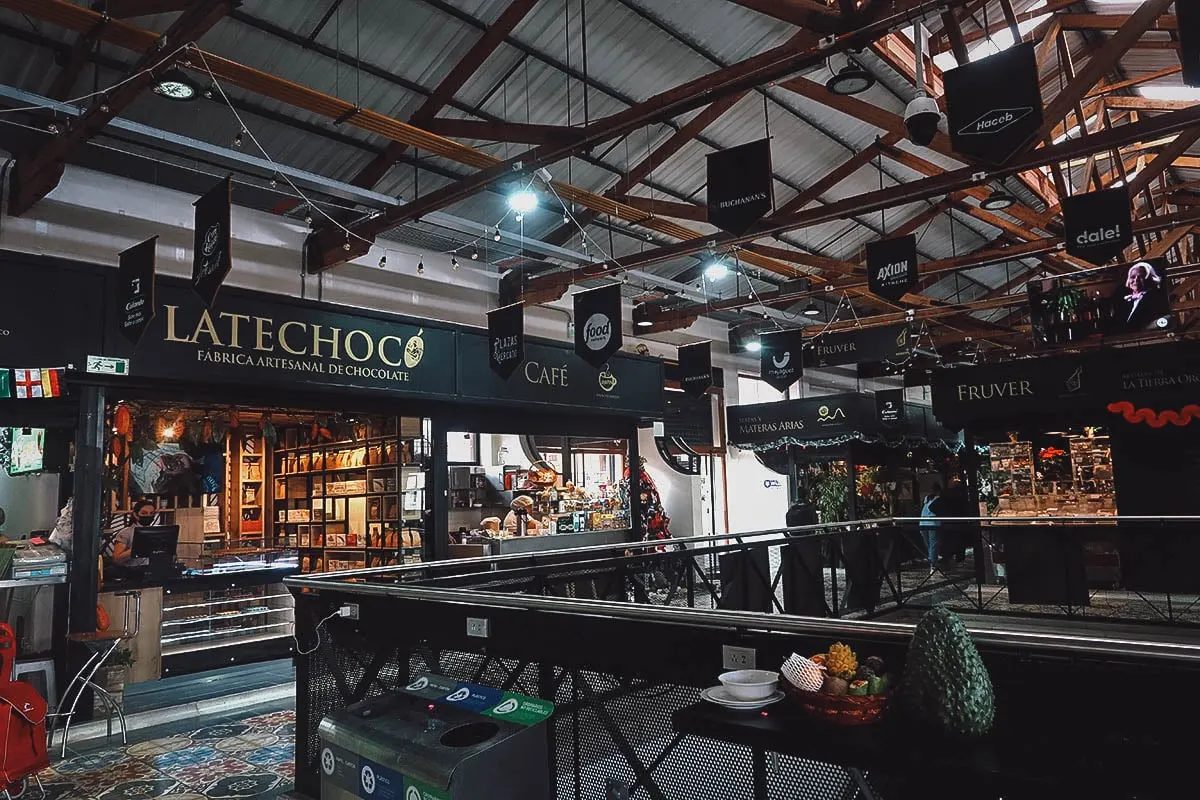
Renovated space from what used to be a real plaza de mercado. La Concordia is a good place to try chicha, guarapo, the Muisca alcoholic drinks, ajiaco, the potato soup from Bogotá, and lechona.
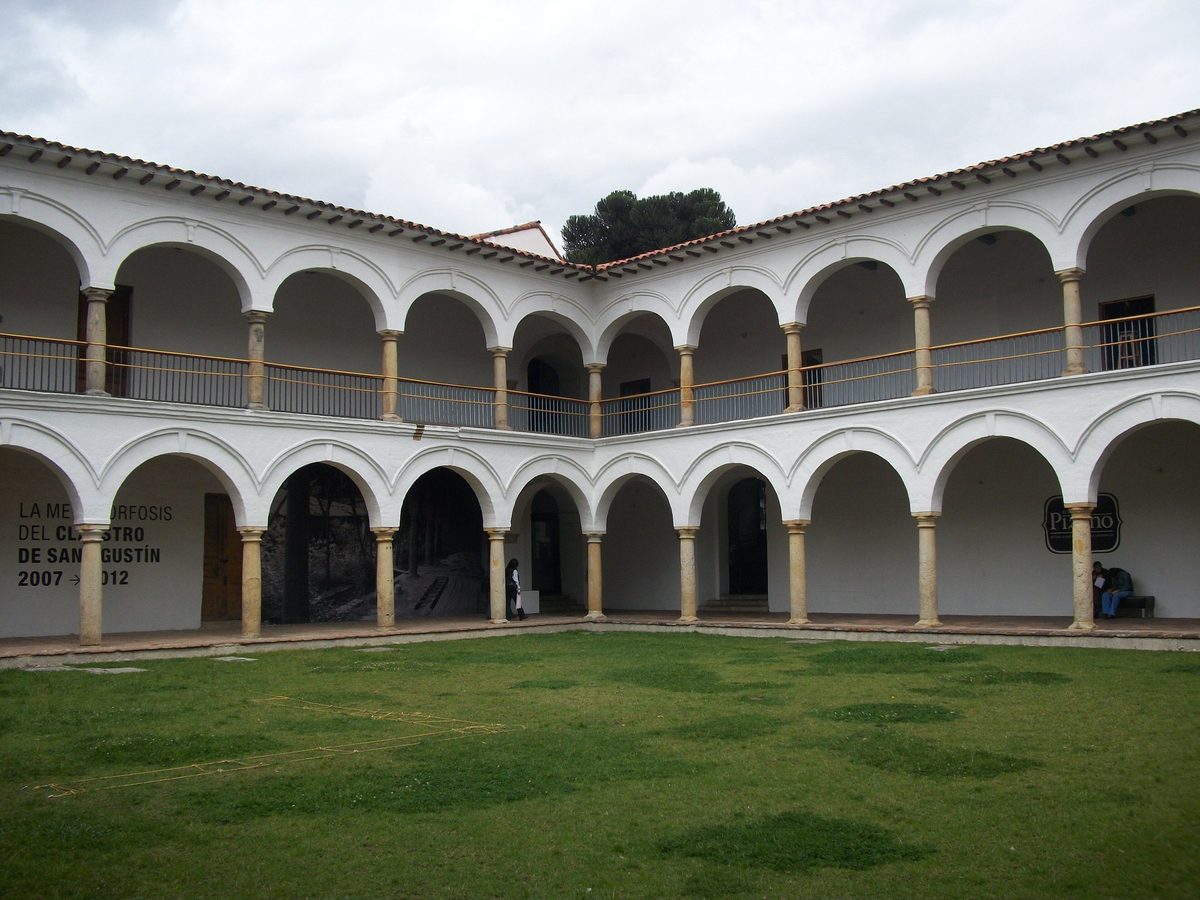
Now part of the National University of Colombia, this venue has museological collections.
Free entrance · Carrera 8 No. 7-21
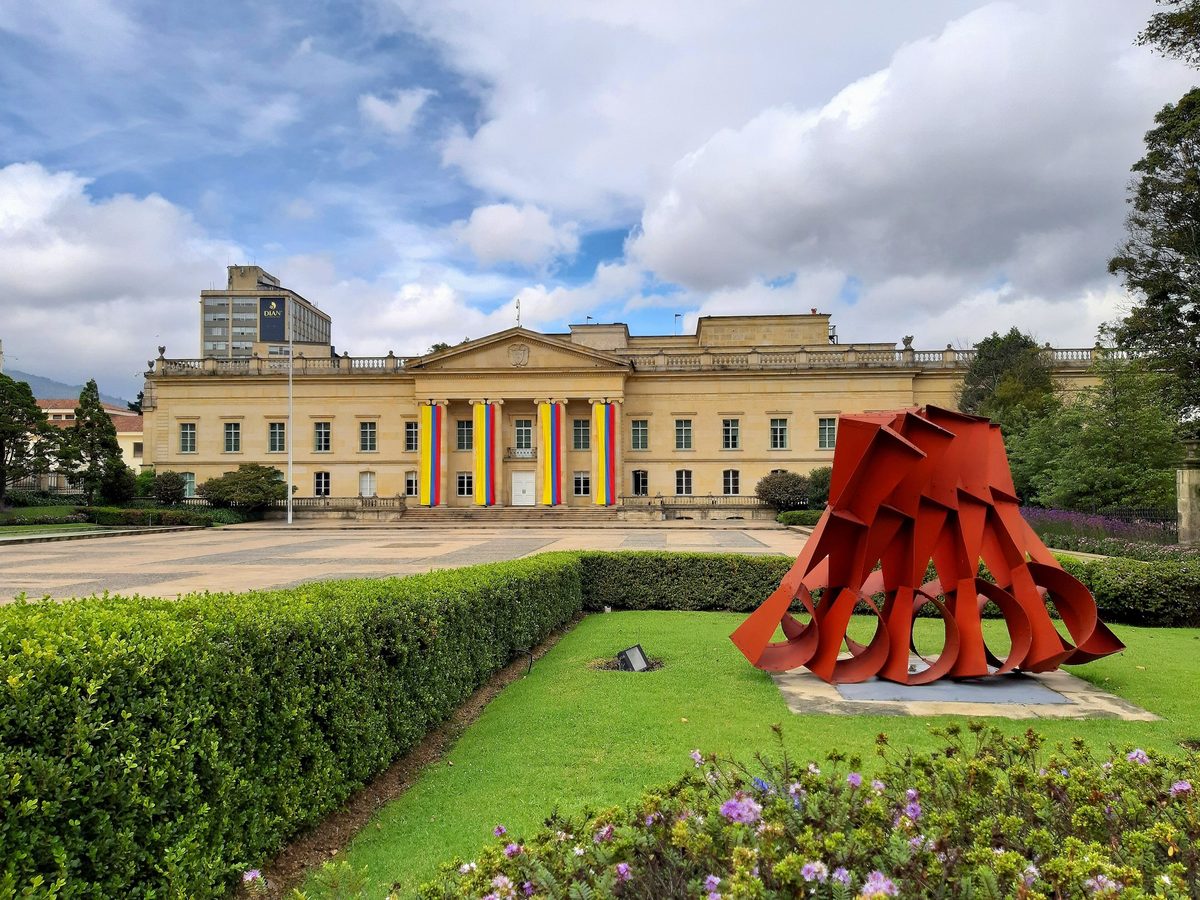
House of the presidents of Colombia. Find it at Bolívar Square.
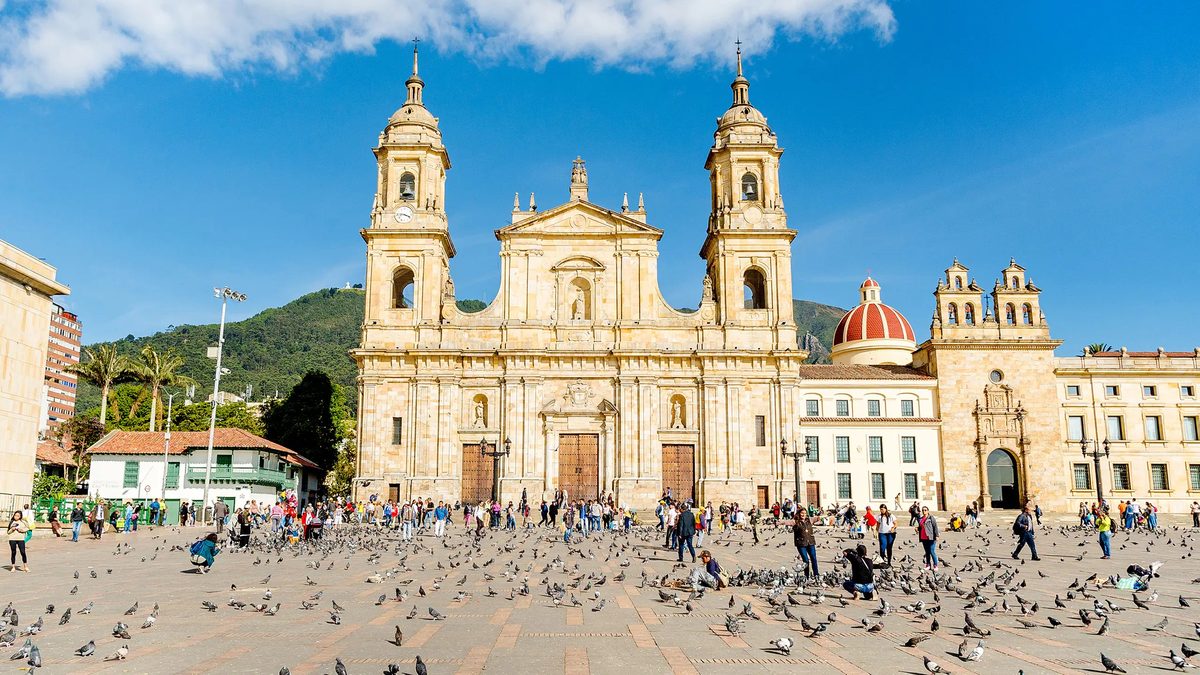
The most important and emblematic landmark in Bogotá, Colombia. In our main square you will find some of the most important government buildings in town: Palacio de Justicia, Catedral Primada de Colombia, Capitolio Nacional, Palacio de Liévano, the Mayor's office, and Colegio de San Bartolomé. Feed the birds, pet llamas, and take pictures.
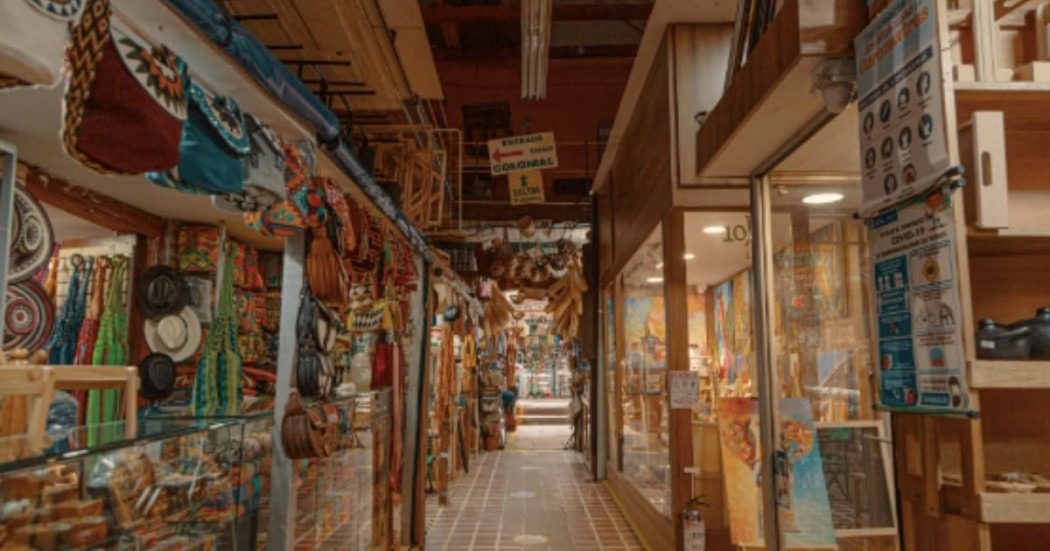
The first Colombian mall was built in 1893. Here you can purchase handicrafts and baskets.
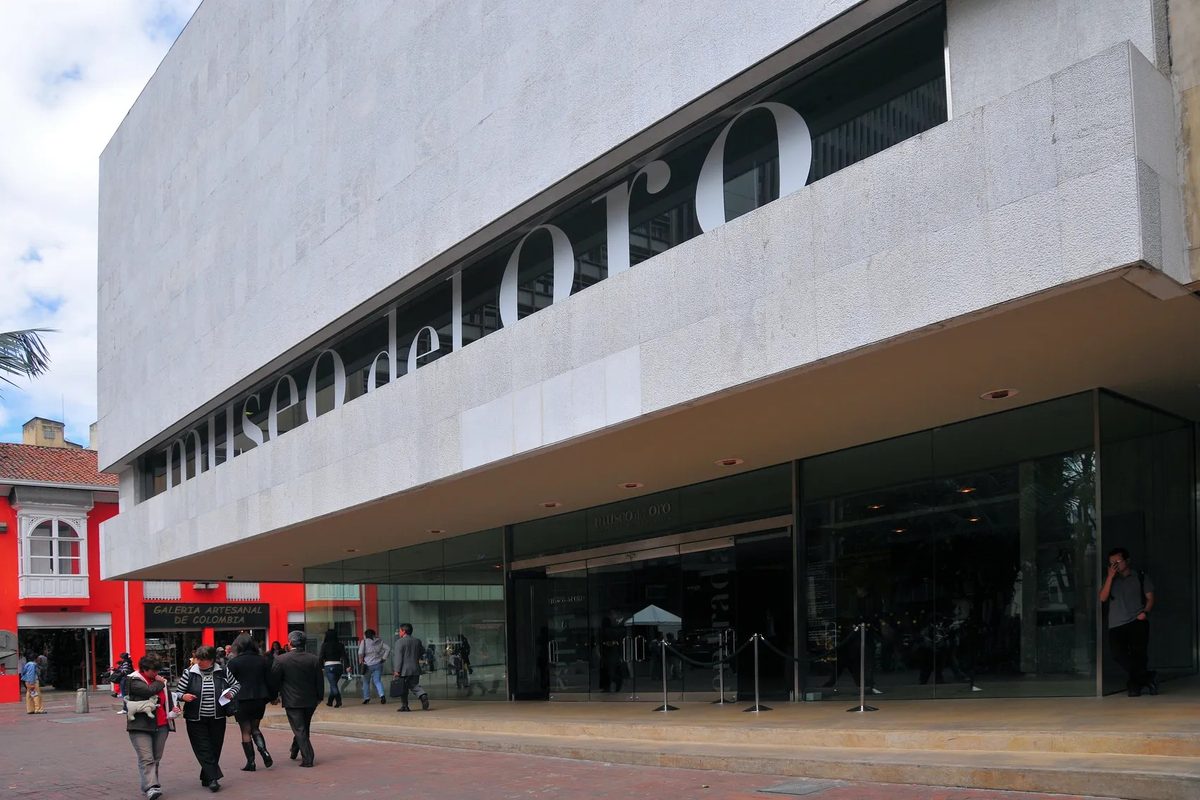
The museum you simply can't miss. Home to the most important archeological collections in Bogotá and the famous legend of El Dorado.
Free admission on Sundays
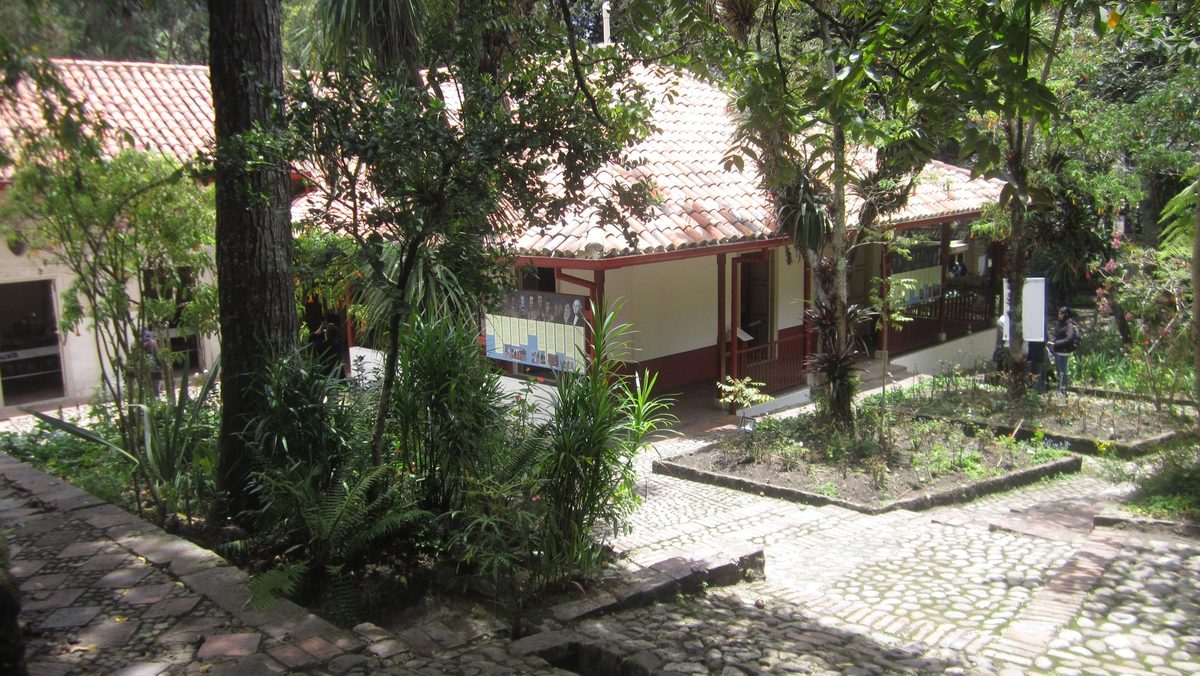
Simón Bolívar's country house at the foot of Monserrate, now a museum with gardens and views over the city.
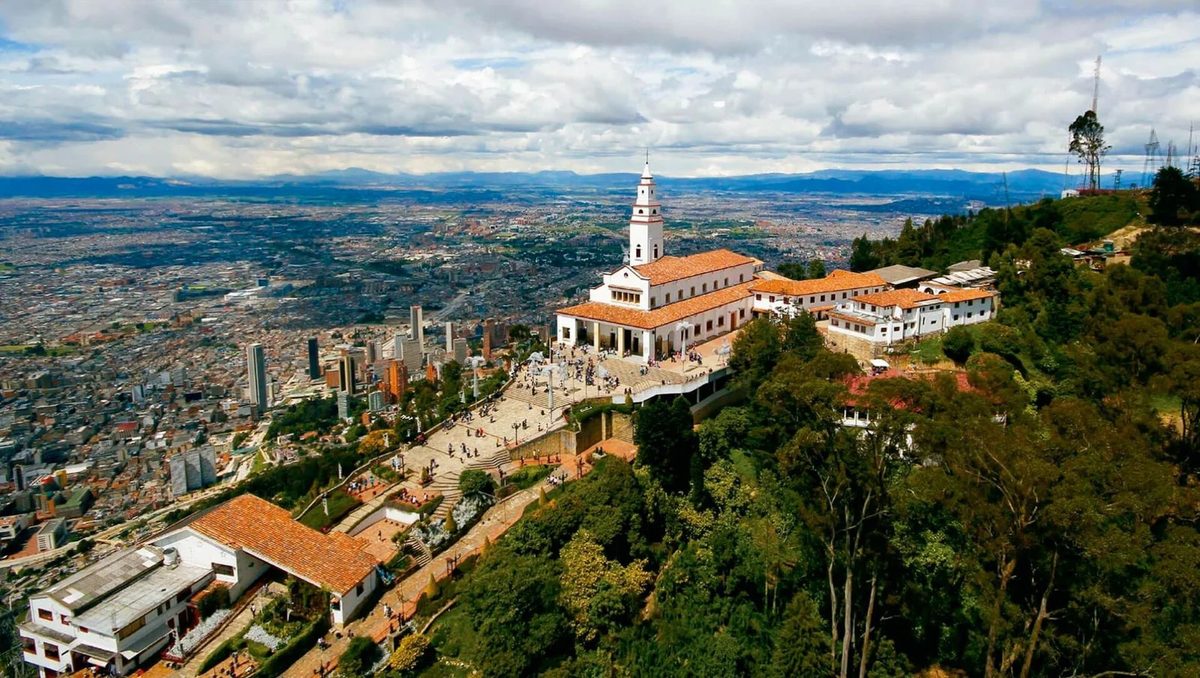
Bogotá's mountain sanctuary, 3,152 meters above the city. Go up by cable car or funicular for the best view of the whole city.
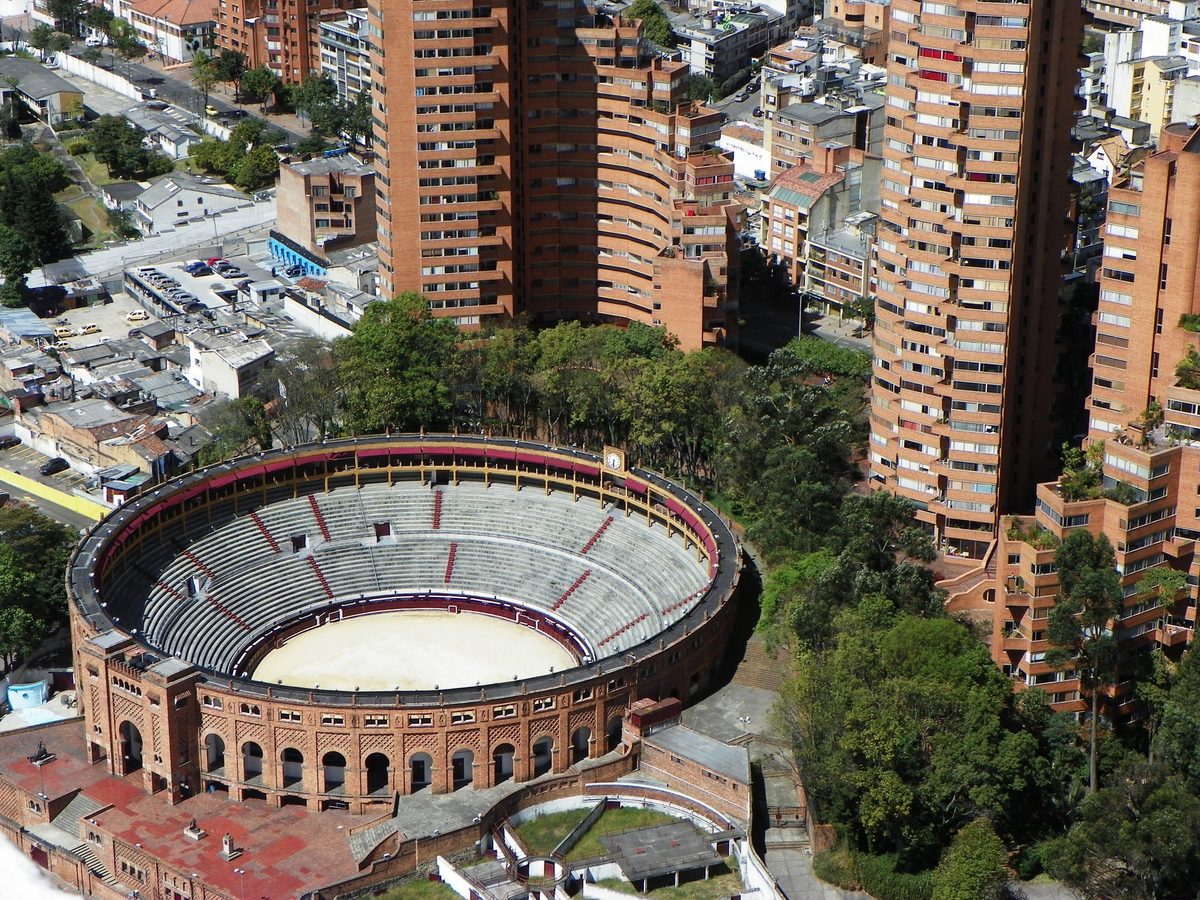
The former bullring, now a cultural venue for concerts and events.
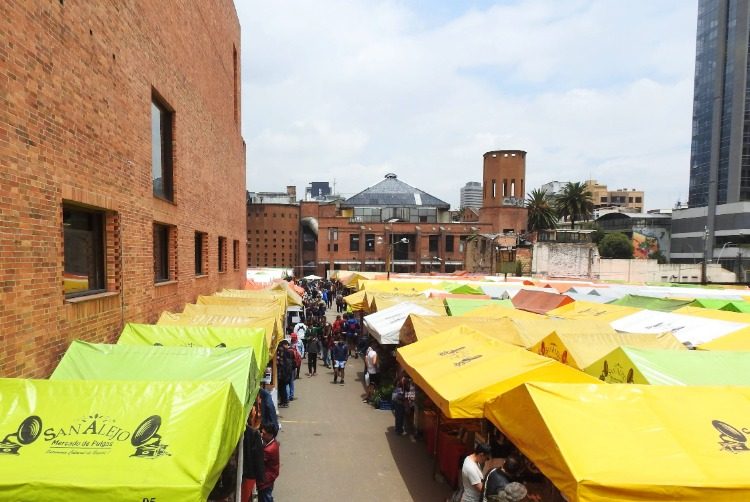
Bogotá's famous Sunday flea market, with antiques, handicrafts and vintage finds.
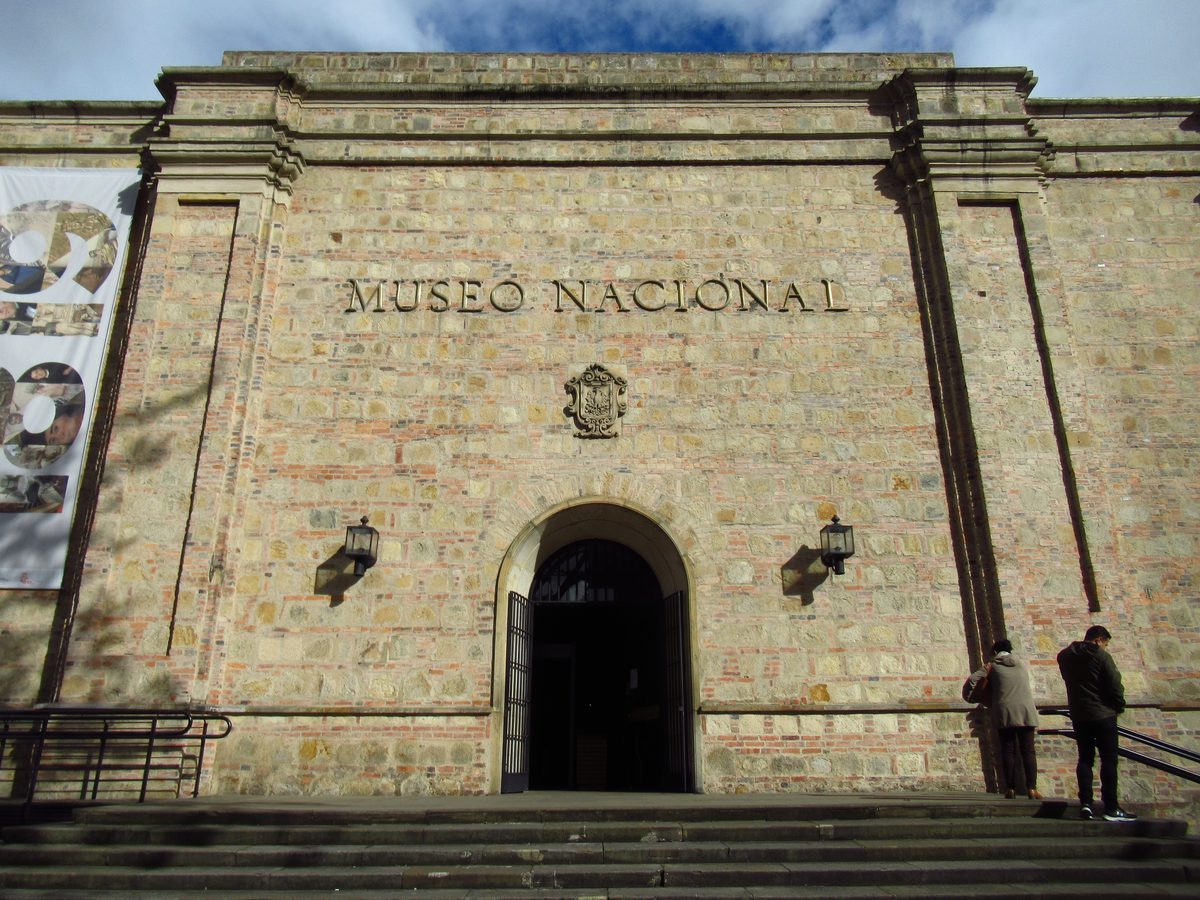
Colombia's oldest museum, in a former prison, with art, history and archaeology under one roof.
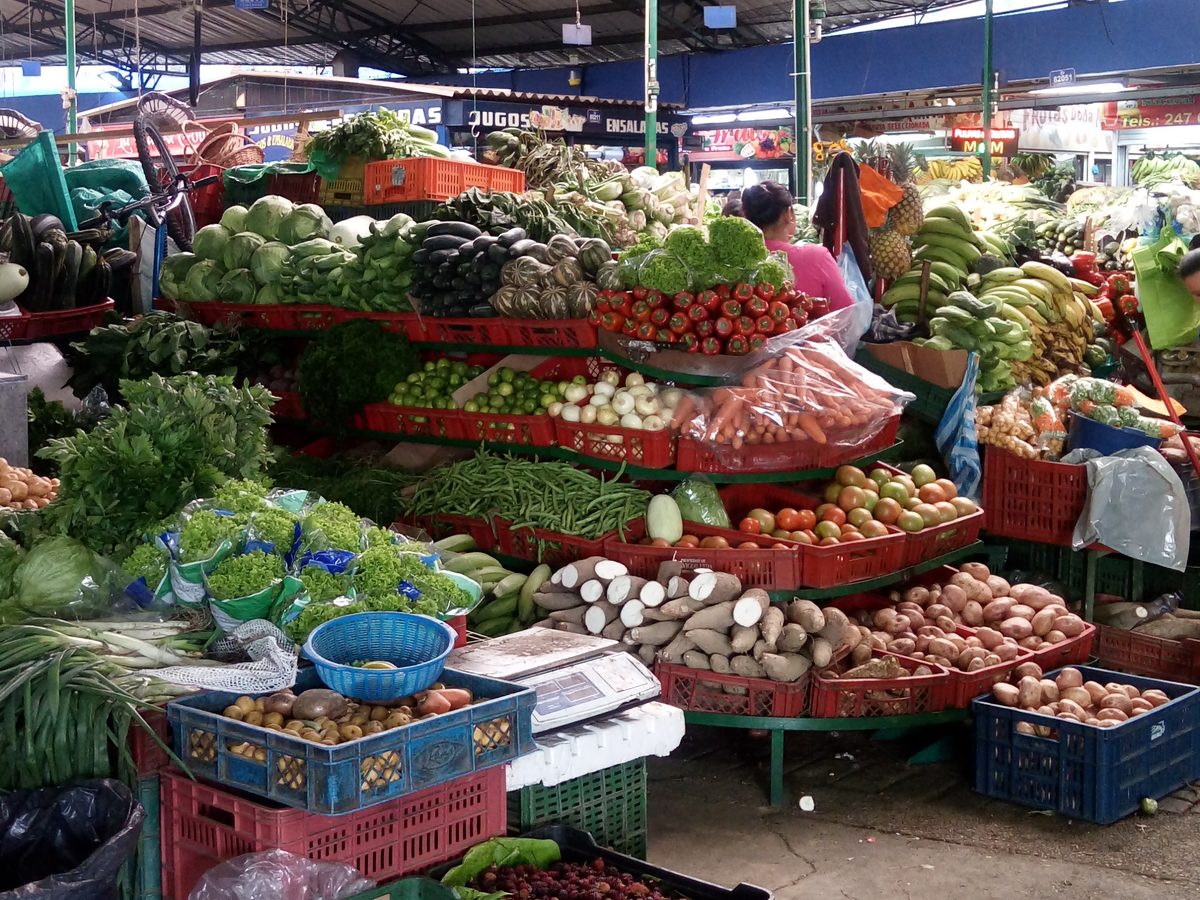
The city's biggest market, a feast of fruit, flowers and local food.
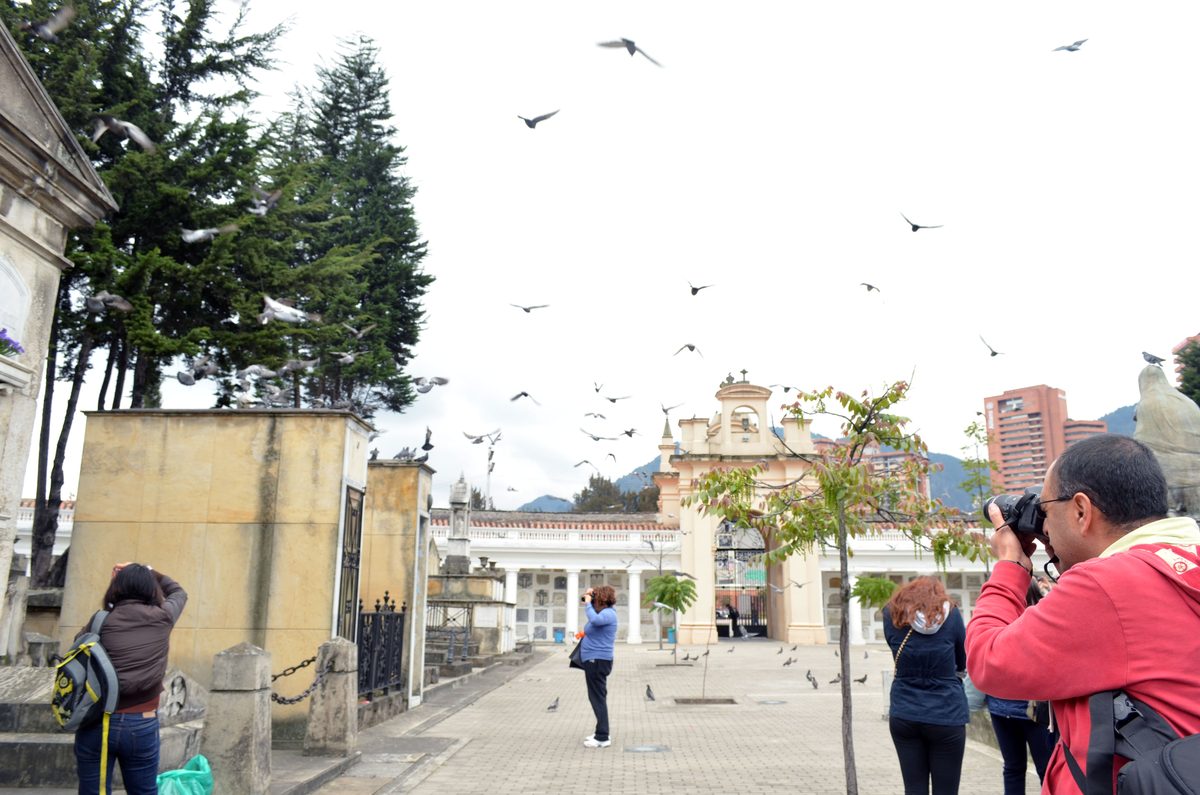
Bogotá's oldest cemetery, an outdoor museum of sculpture and history.
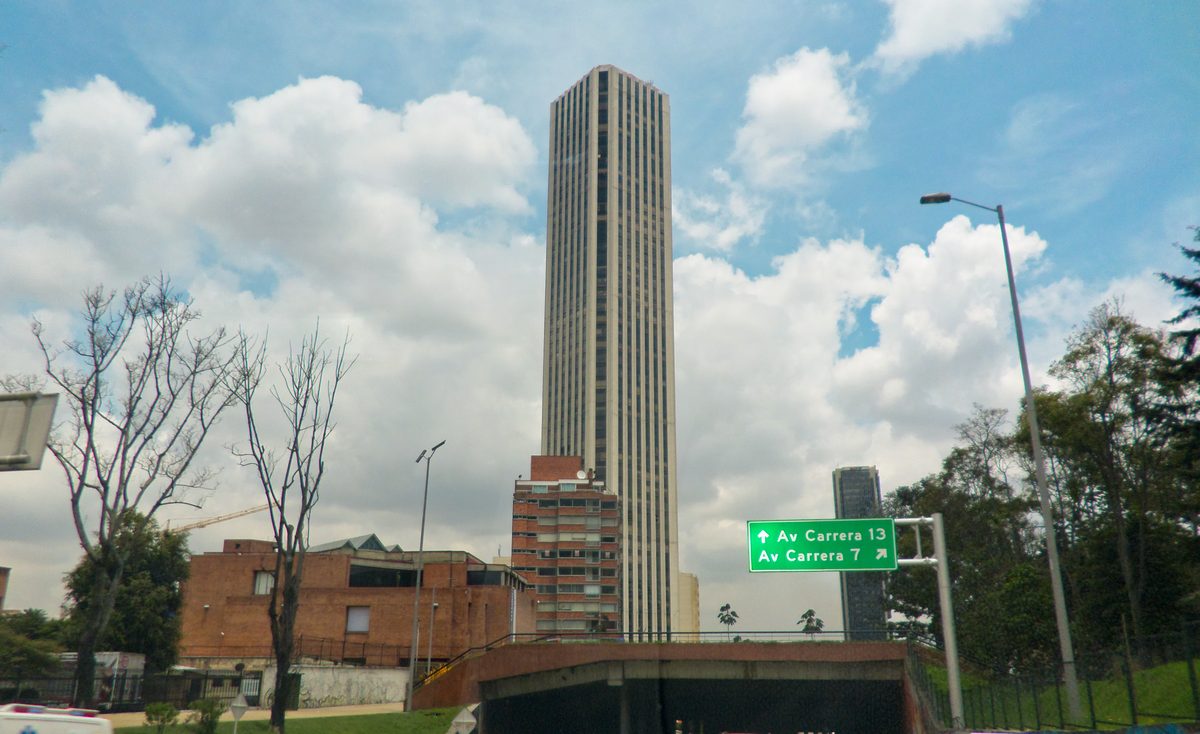
Bogotá's tallest tower, with a viewpoint on the 48th floor and a light show on its facade at night.
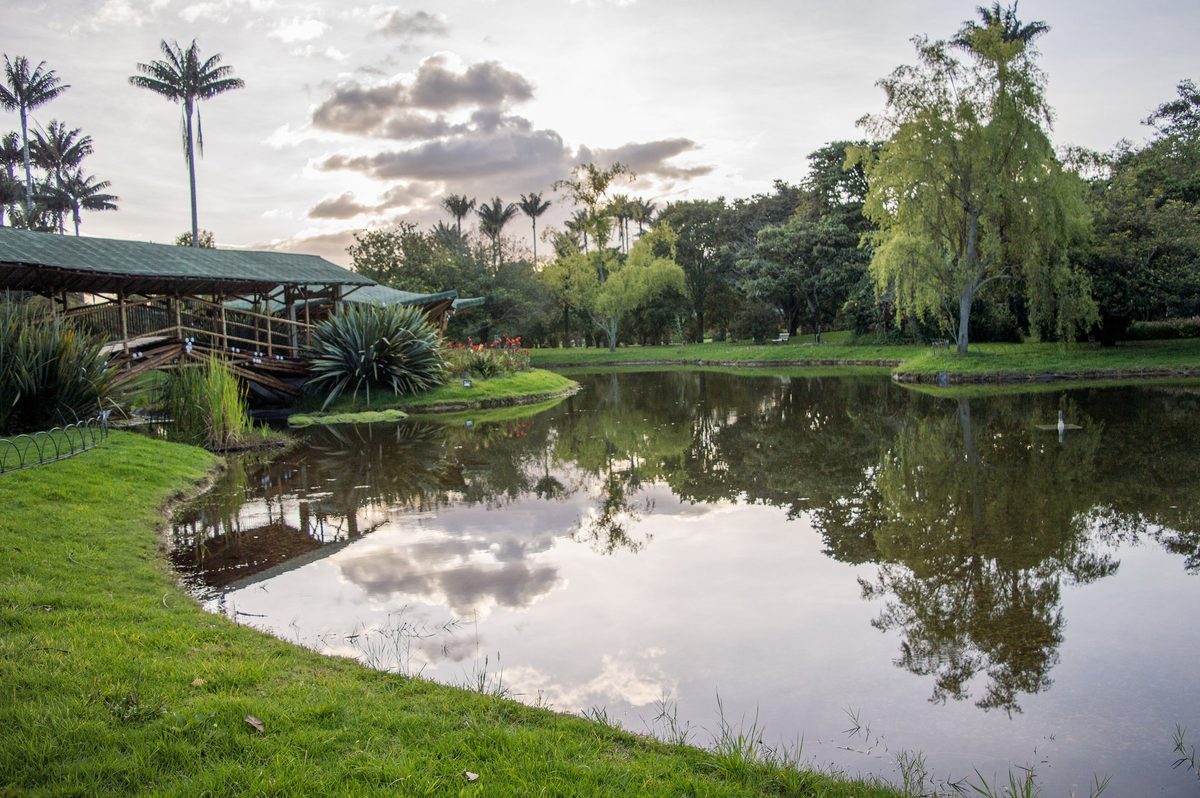
Nineteen hectares of gardens, orchids and native plants, with a tropical rainforest dome.
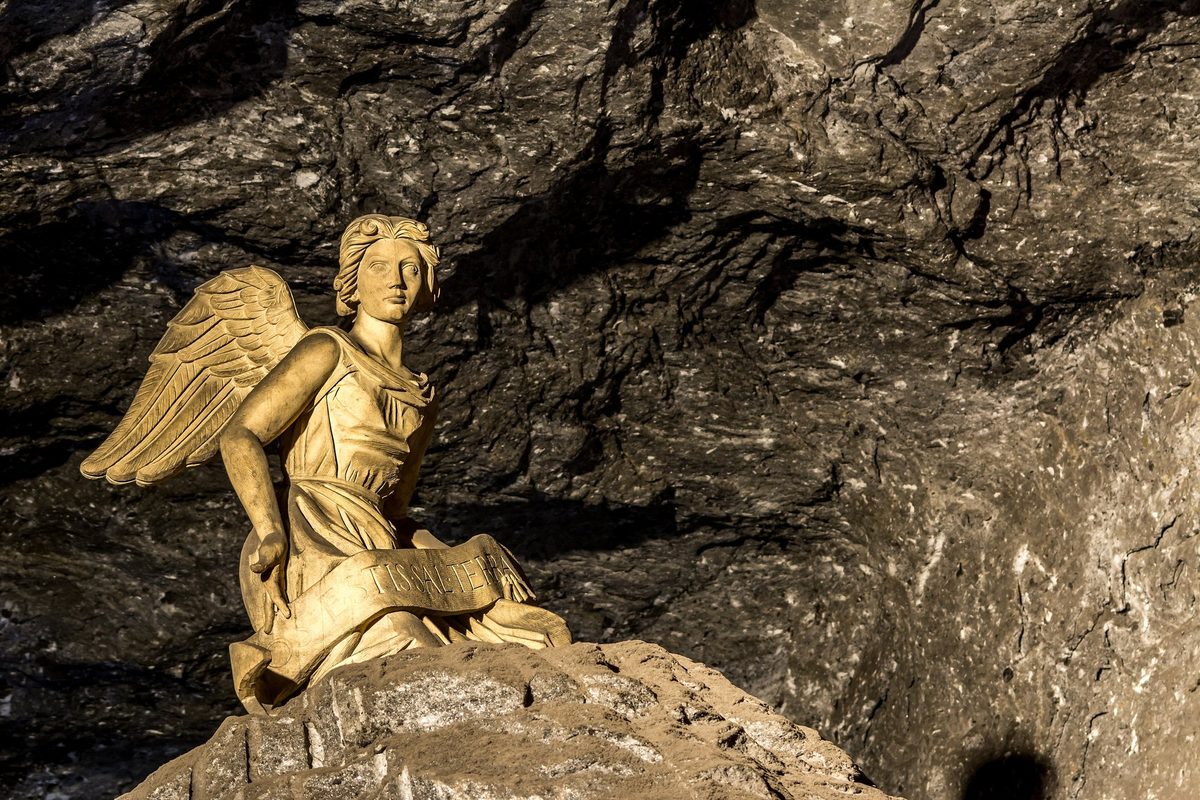
An underground cathedral carved inside a salt mine in Zipaquirá, an hour from Bogotá.
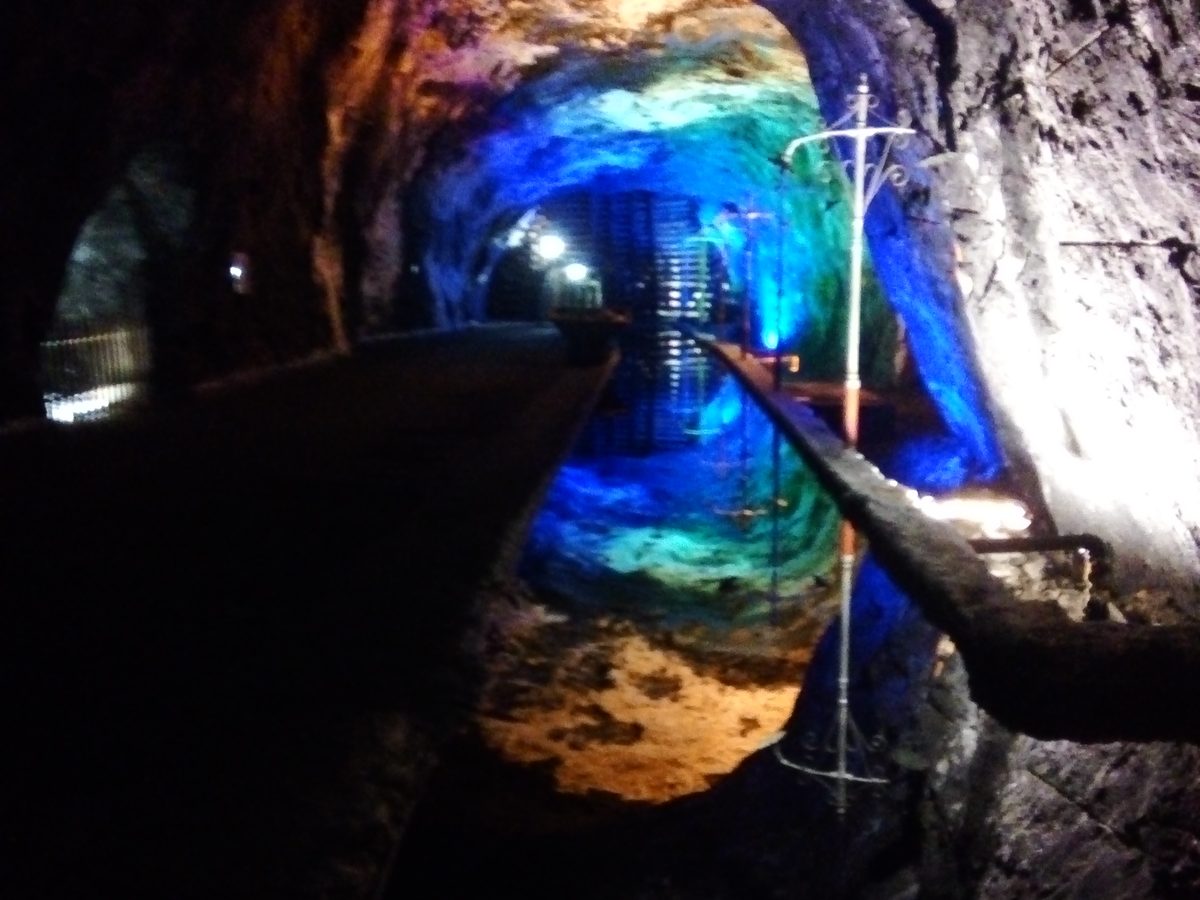
A salt mine turned into a museum, with tunnels, mirrors of brine and a colonial town above.
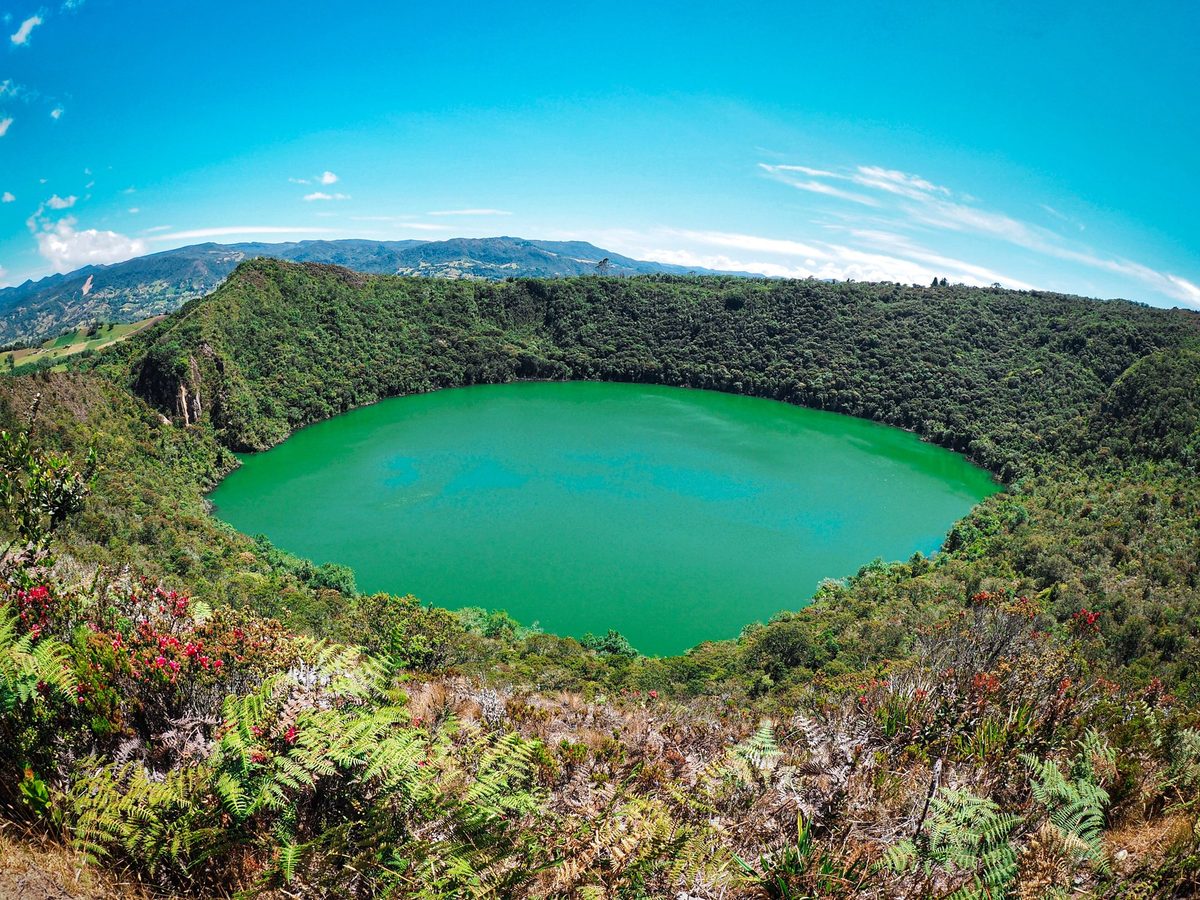
The sacred lake of the El Dorado legend, in the hills outside Bogotá.
WHERE TO EAT
Our favorite tables in La Candelaria, from ajiaco to French pastry.
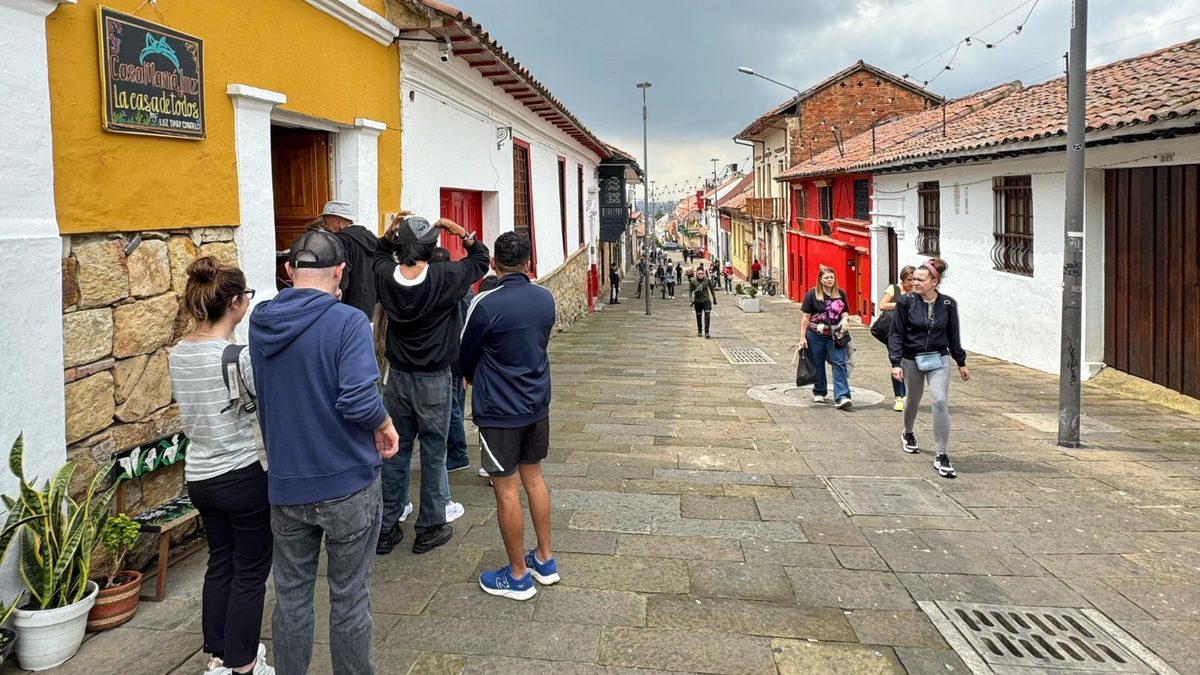
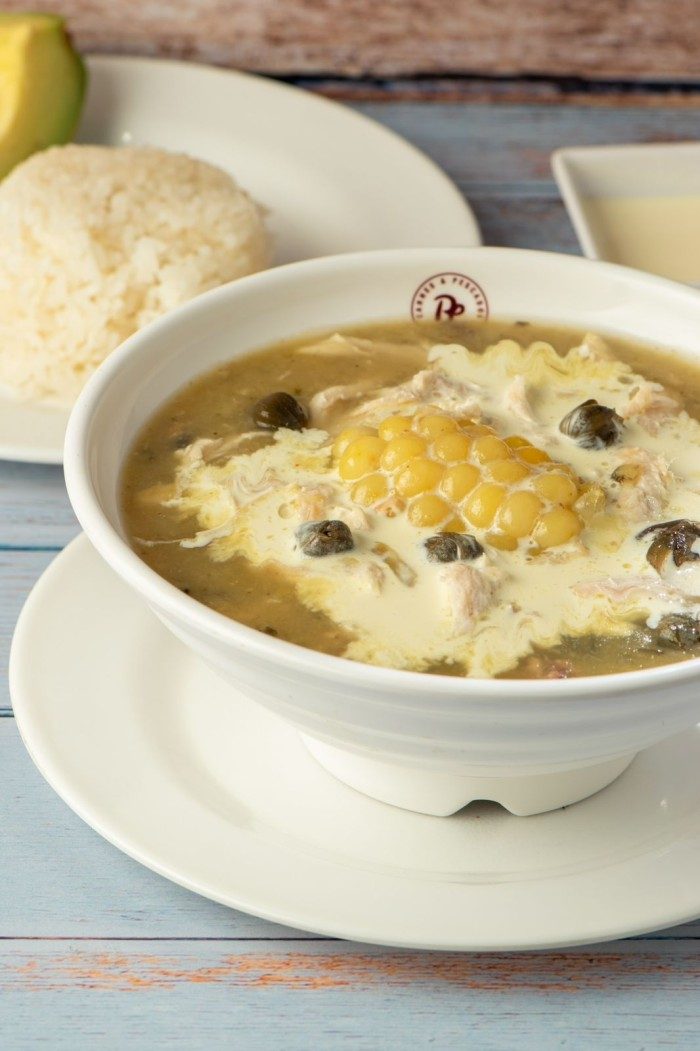
Mamá Luz won the prize for the best ajiaco in Bogotá. Caribbean and traditional cooking in a small house on Calle 10. Go for lunch and go early, the line forms fast.
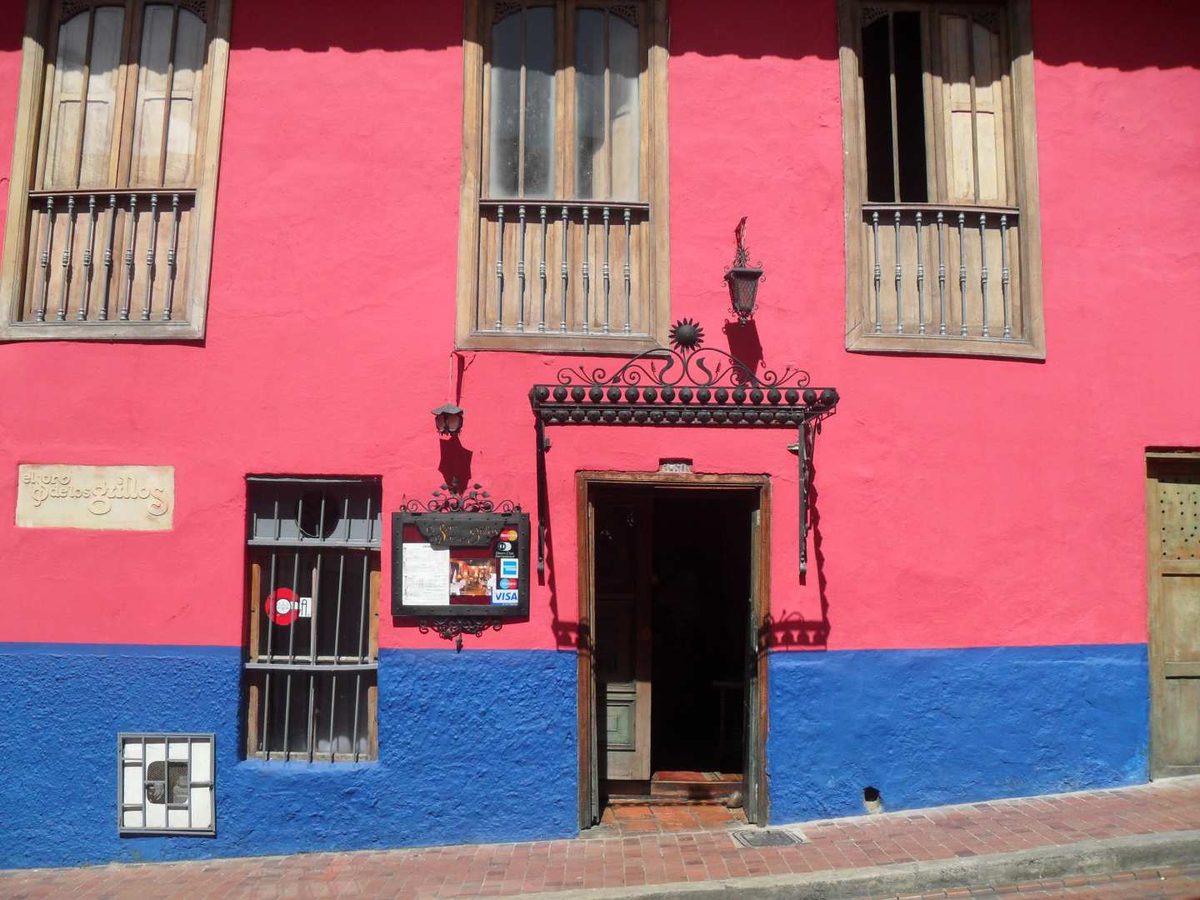
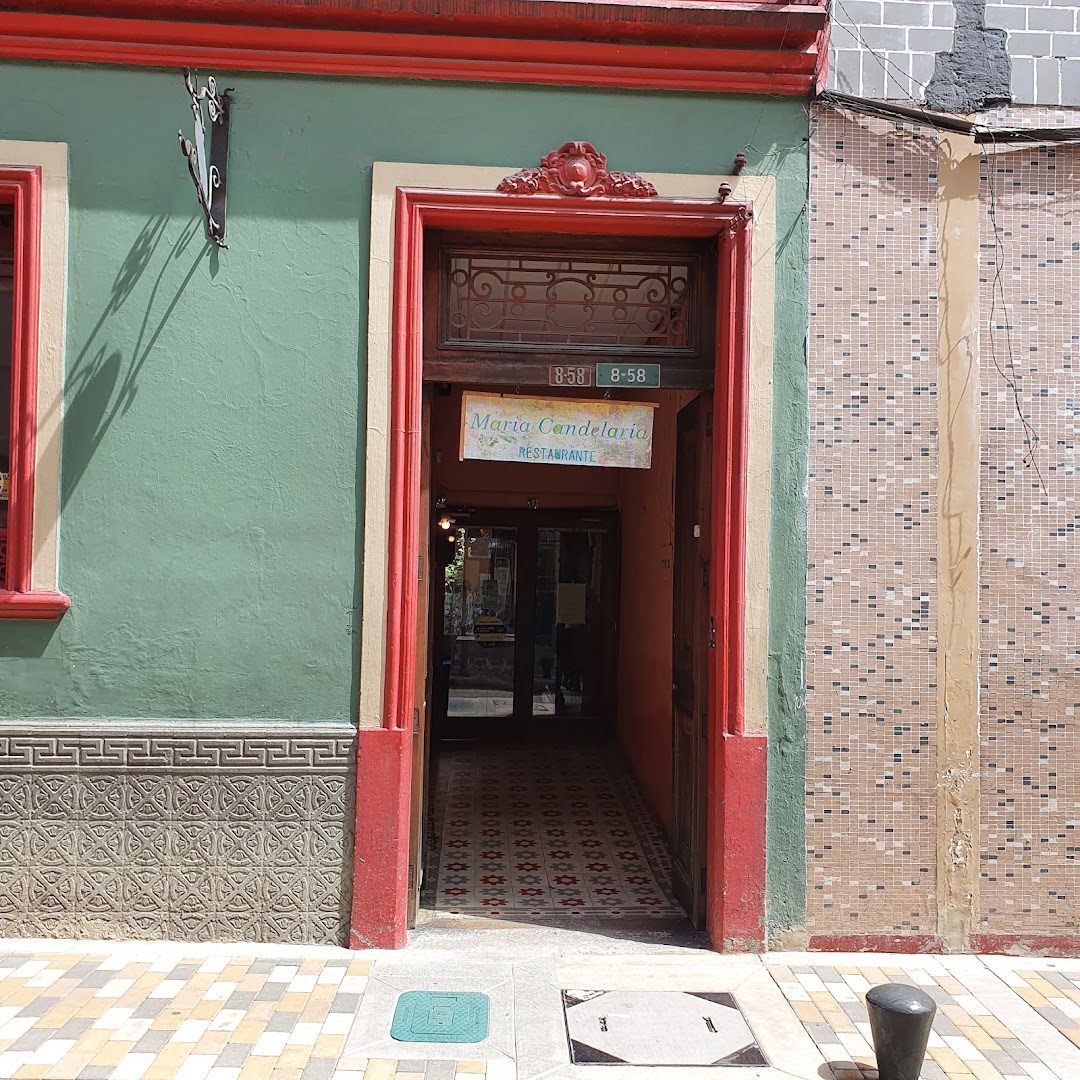
A beloved La Candelaria classic for traditional Colombian cooking, ajiaco, bandeja paisa and sancocho, in a candlelit colonial house on Calle 10.
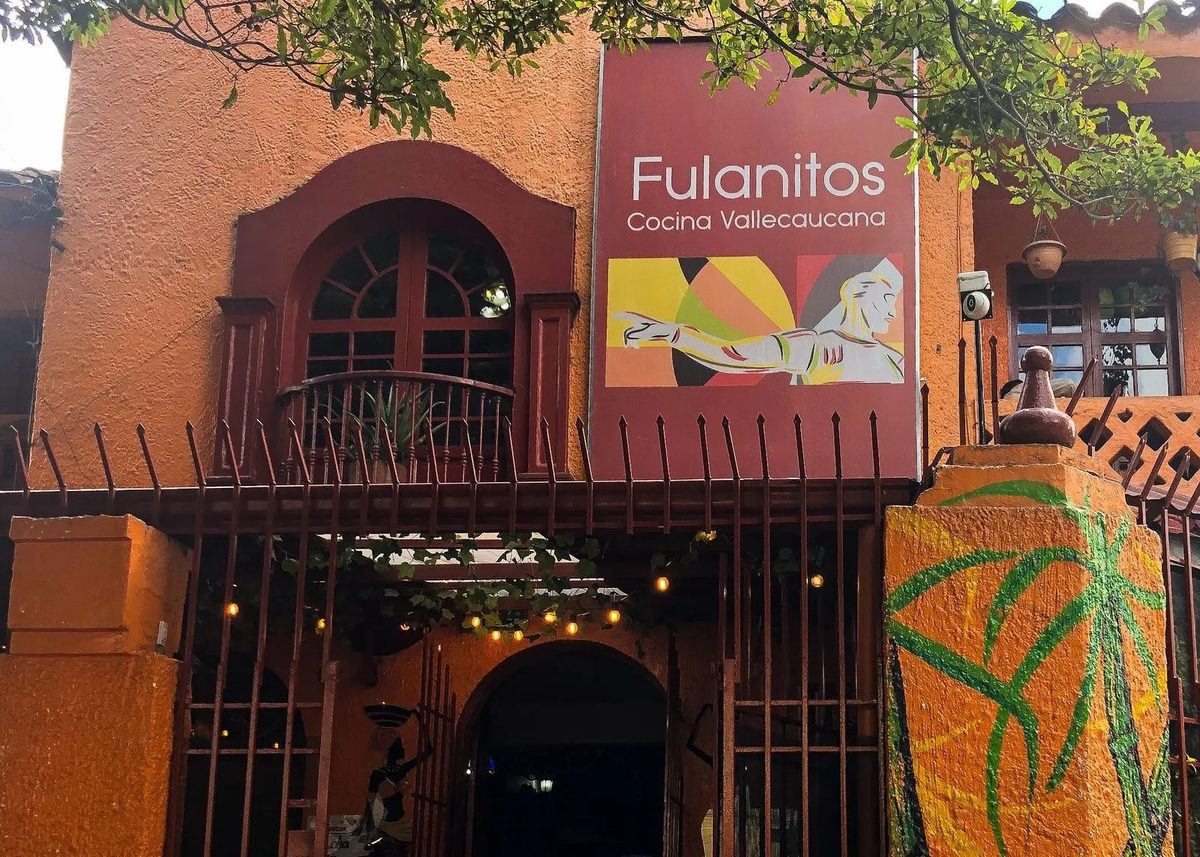
Vallecaucana cooking in the heart of La Candelaria.
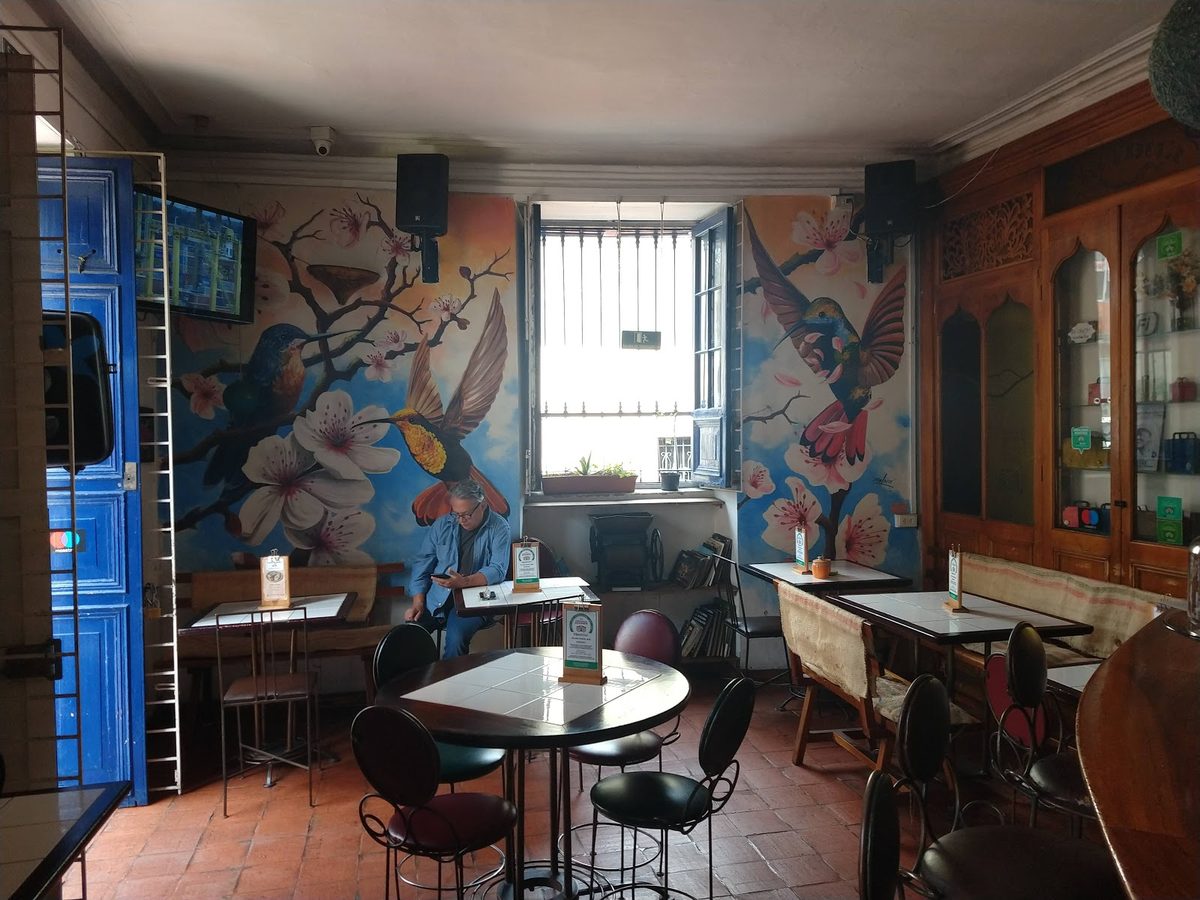
A café restaurant on Calle 10, with food from the mountains and valleys of Colombia. Good for breakfast or a relaxed dinner.
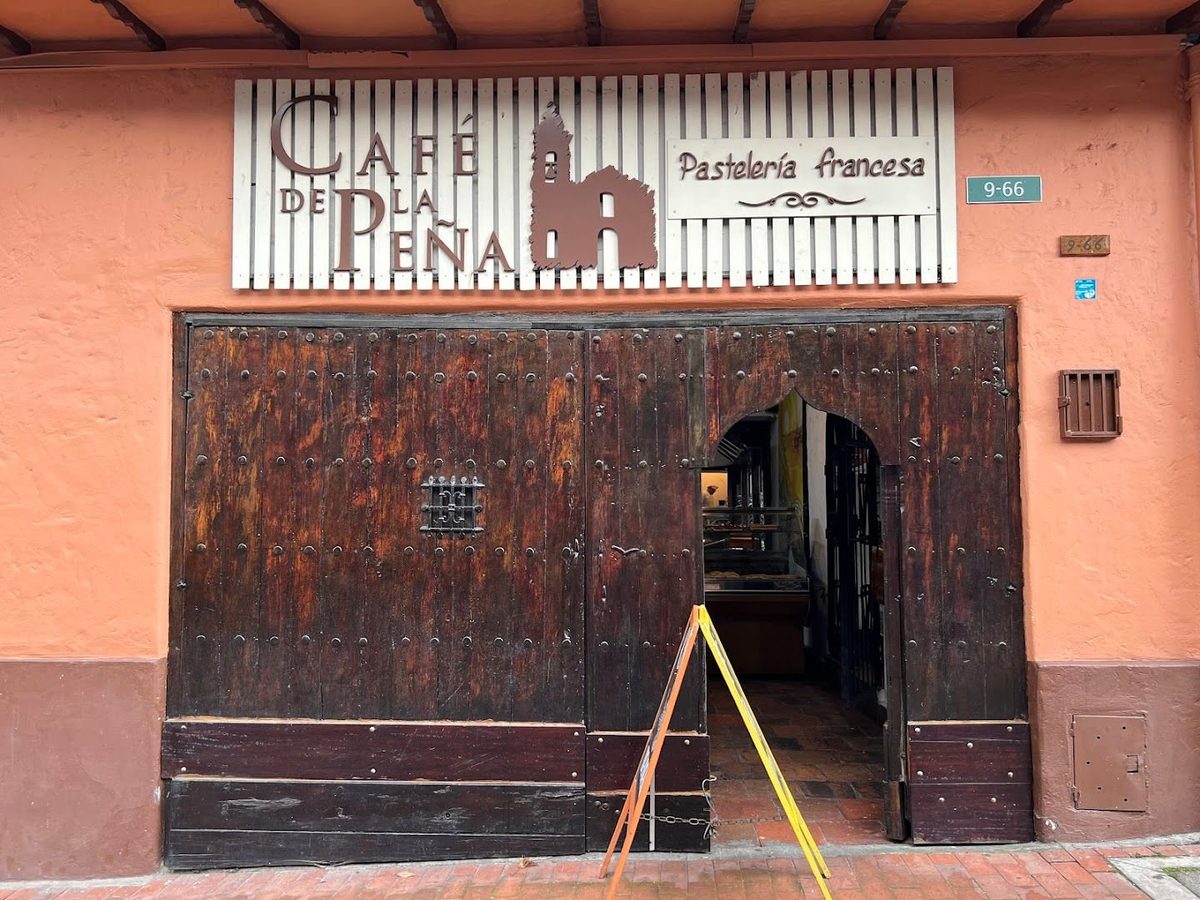
Be amazed at Amparito's French pastry recipes. You can also admire Natalia Pontón's art.
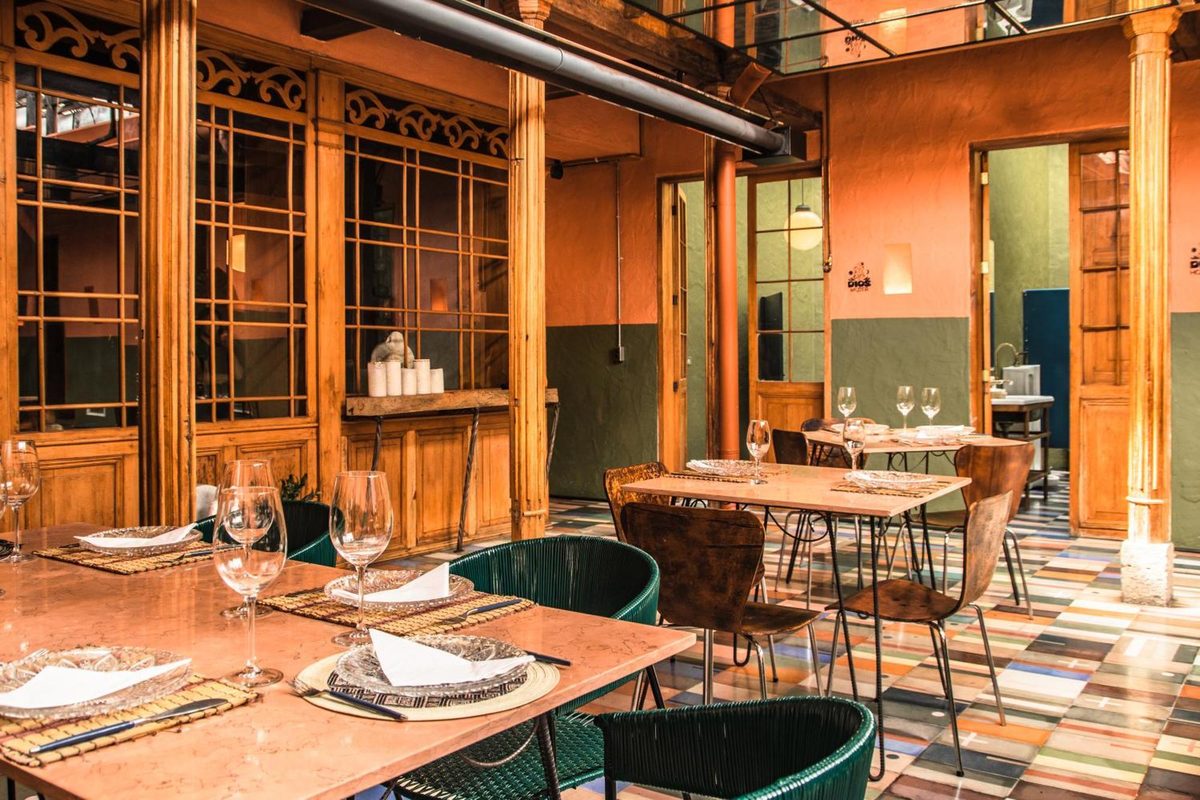
A boutique hotel restaurant on Carrera 3, author cuisine cooked over open fire, in a colorful colonial house with a tiled courtyard.
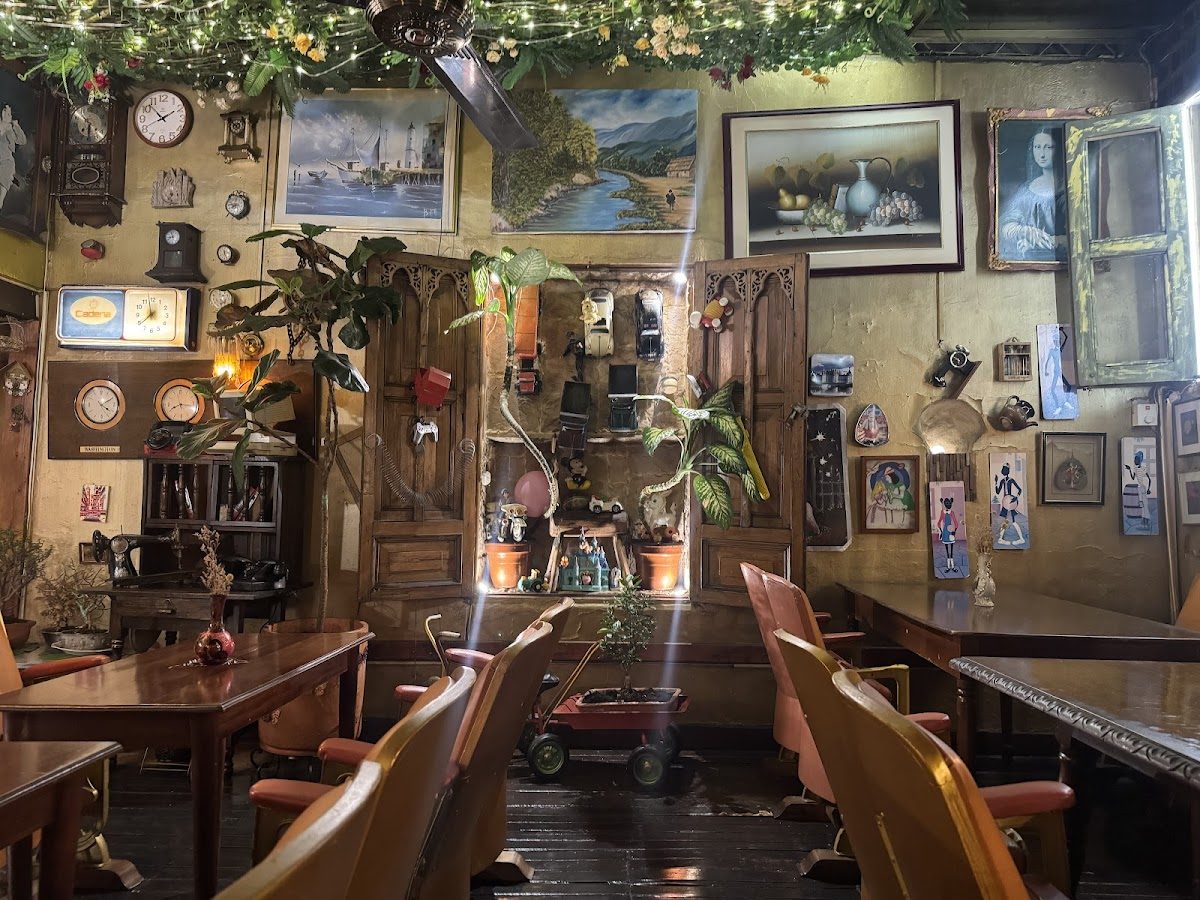
A family-run house on Carrera 2, full of antiques, records and old radios, serving homestyle Colombian food with plenty of vegetarian options.
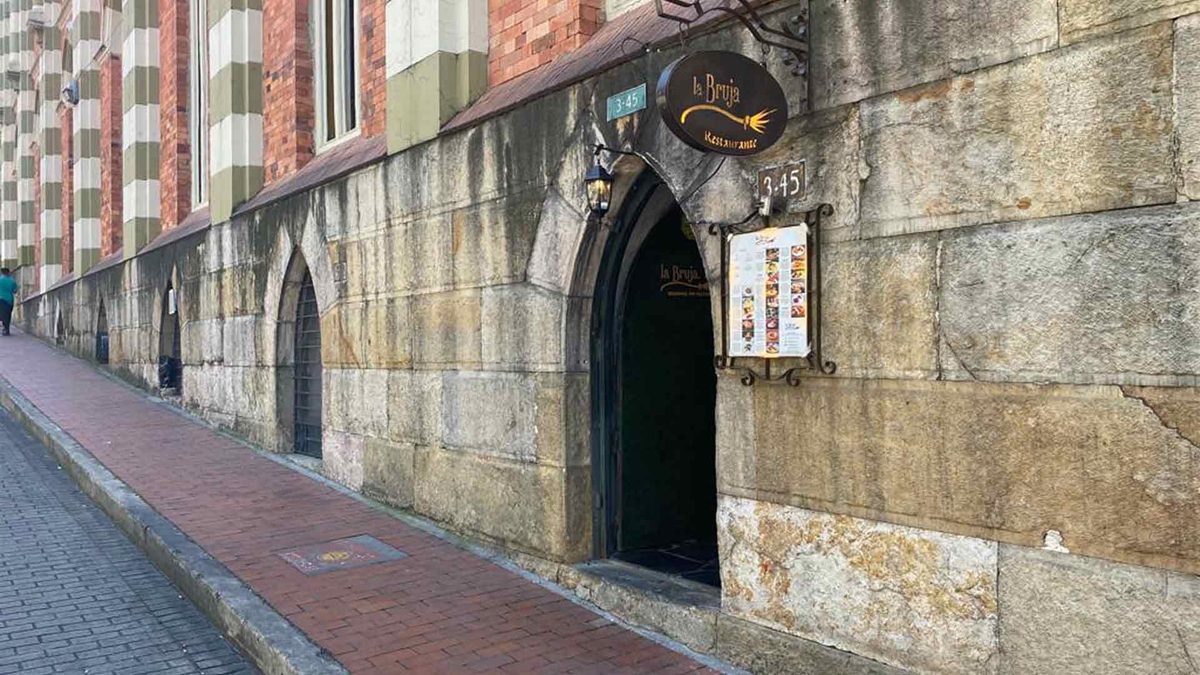
A former monastery turned restaurant, with a witch theme, live music and international dishes in a bohemian colonial house.
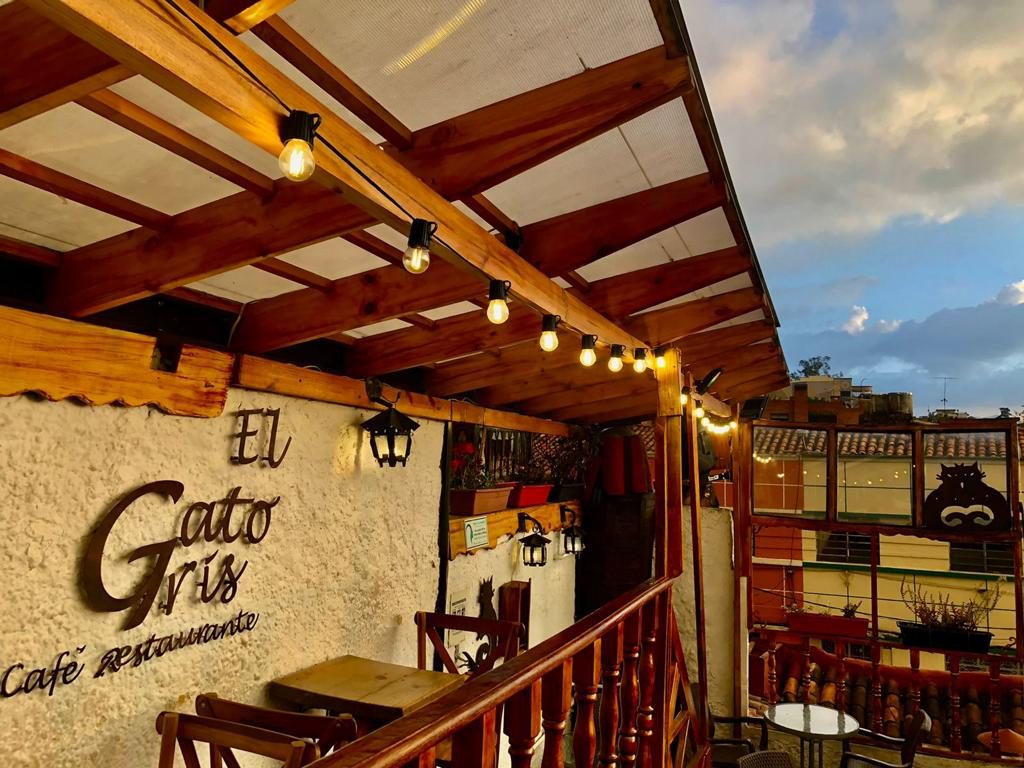
A classic of the Chorro de Quevedo square, with a terrace right on the plaza.
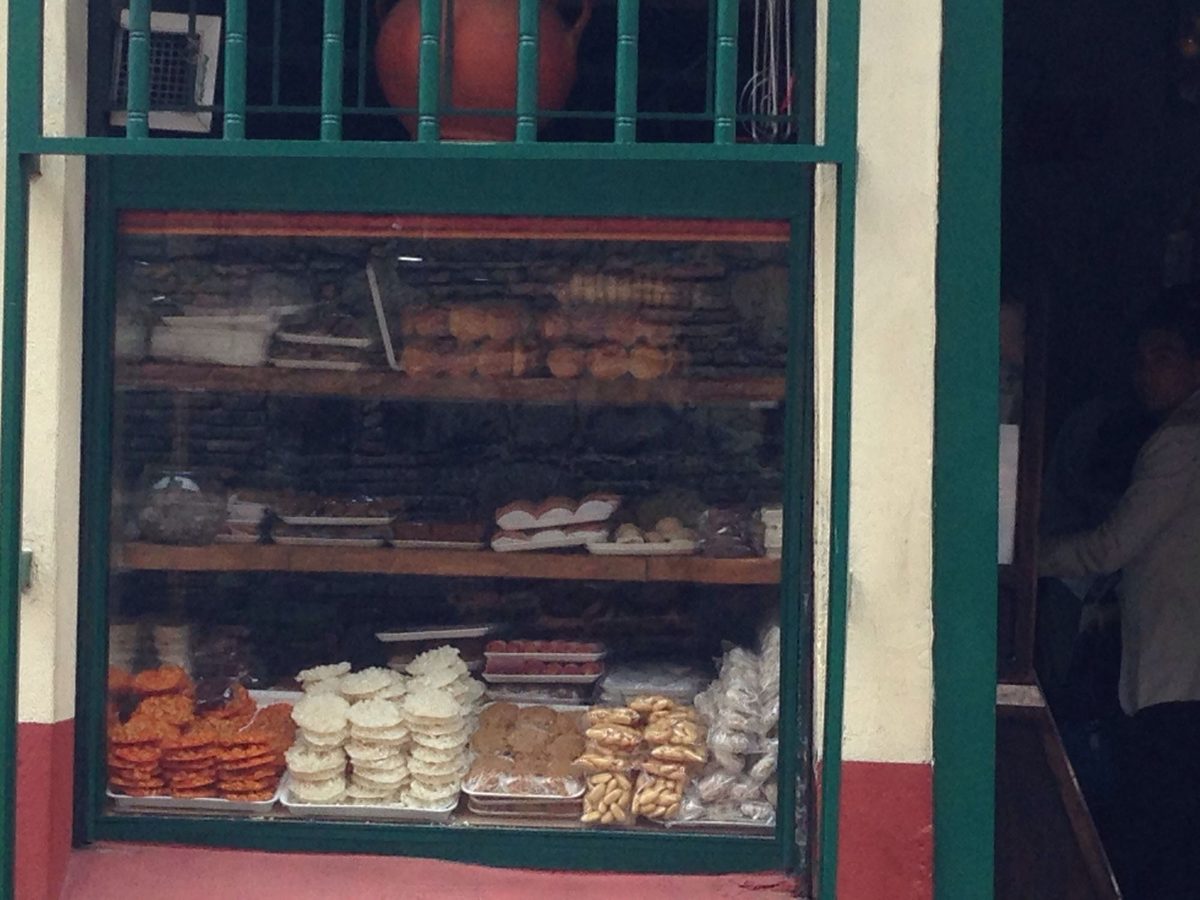
Bogotá's oldest sweet shop, famous for its tamales, hot chocolate and traditional sweets.
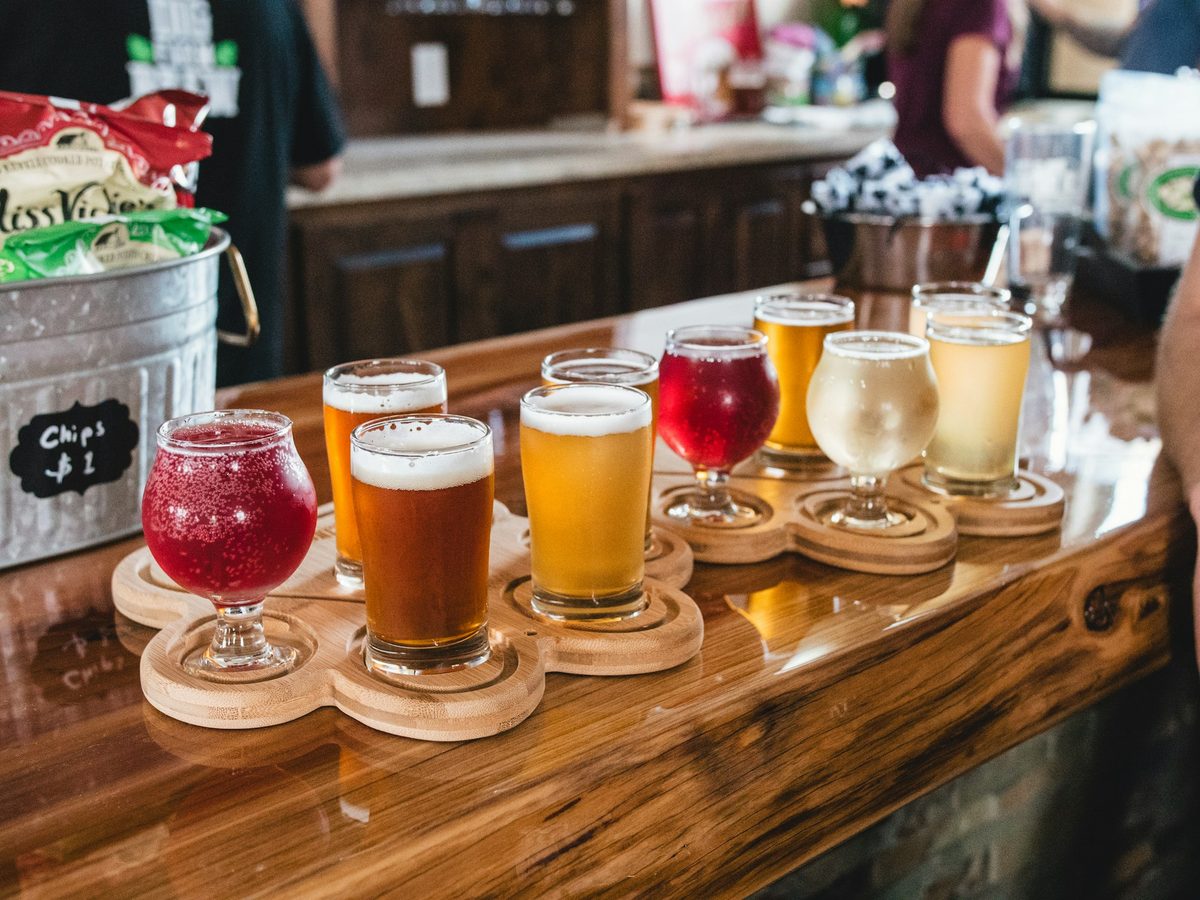
Craft beer brewed in Bogotá.
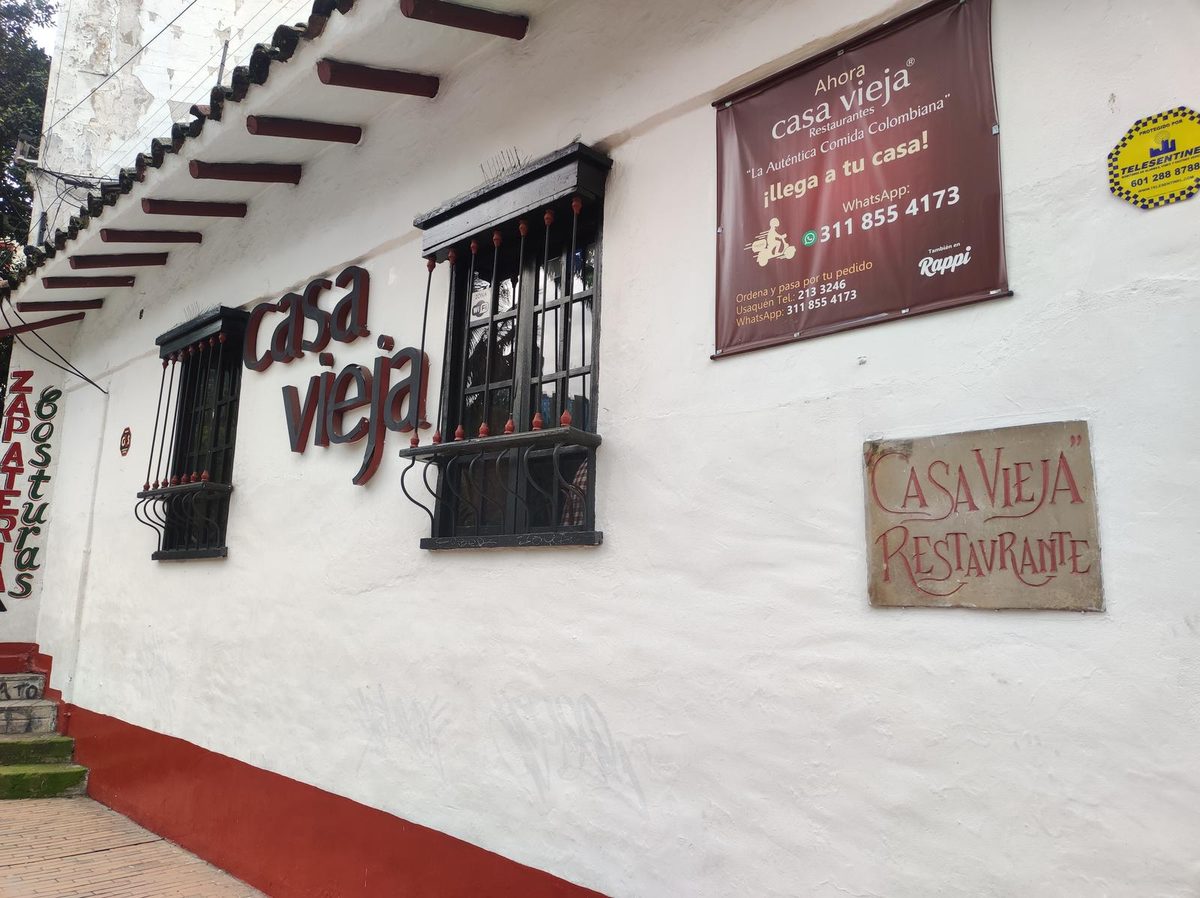
More than 40 years of tradition and one of the best ajiacos in Bogotá, in a colonial house on Avenida Jiménez. Save room for the postre de natas.
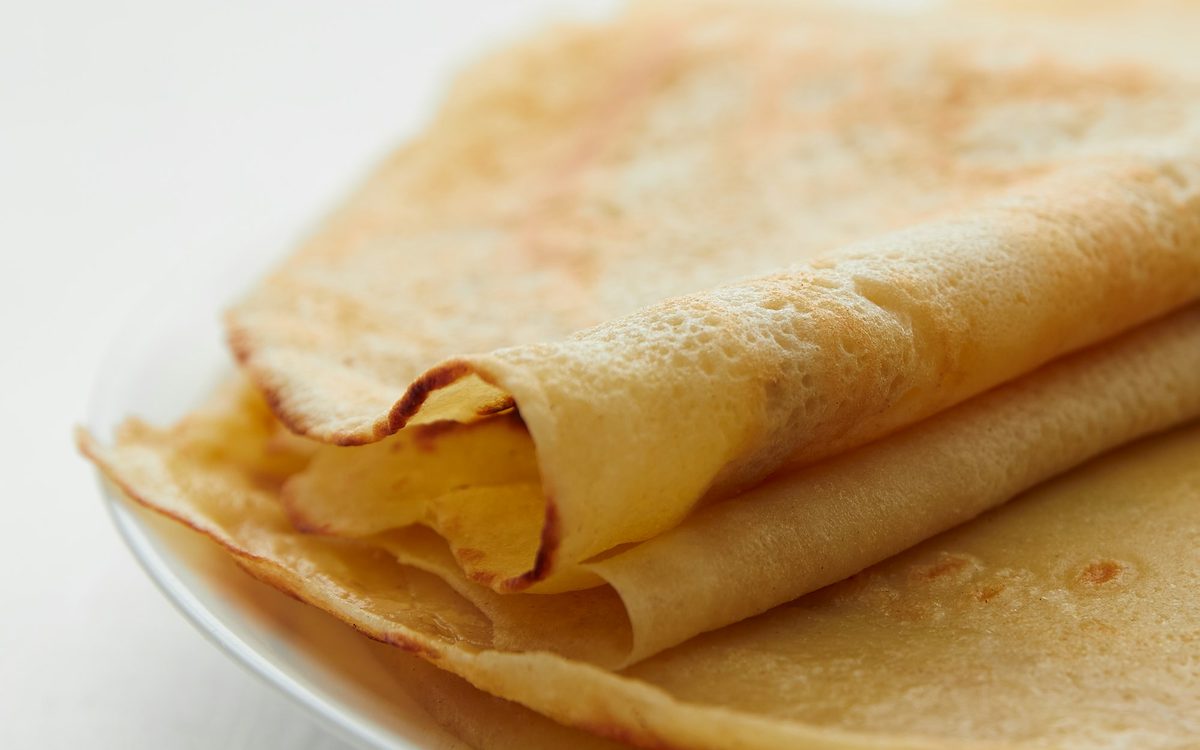
Crepes, waffles and ice cream, a Colombian classic, steps from the university district.
ZONA M, LA MACARENA
Zona M is the gastronomic heart of La Macarena, a bohemian neighborhood about a 15 to 20 minute walk north of La Candelaria along Carrera 7, past the Museo Nacional. Its restaurant row runs along Carrera 4A between Calles 26 and 28, where small family-run kitchens, many of them open for decades, serve everything from handmade Italian pasta to Serbian goulash.
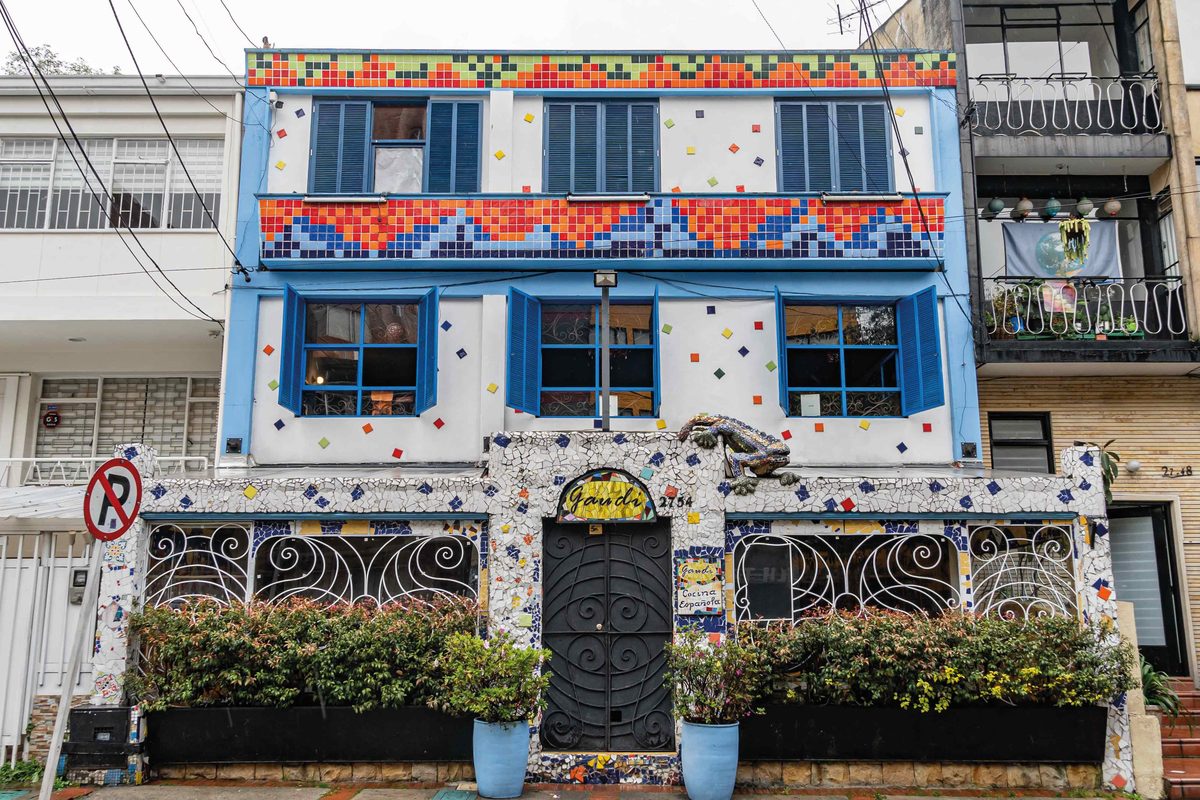
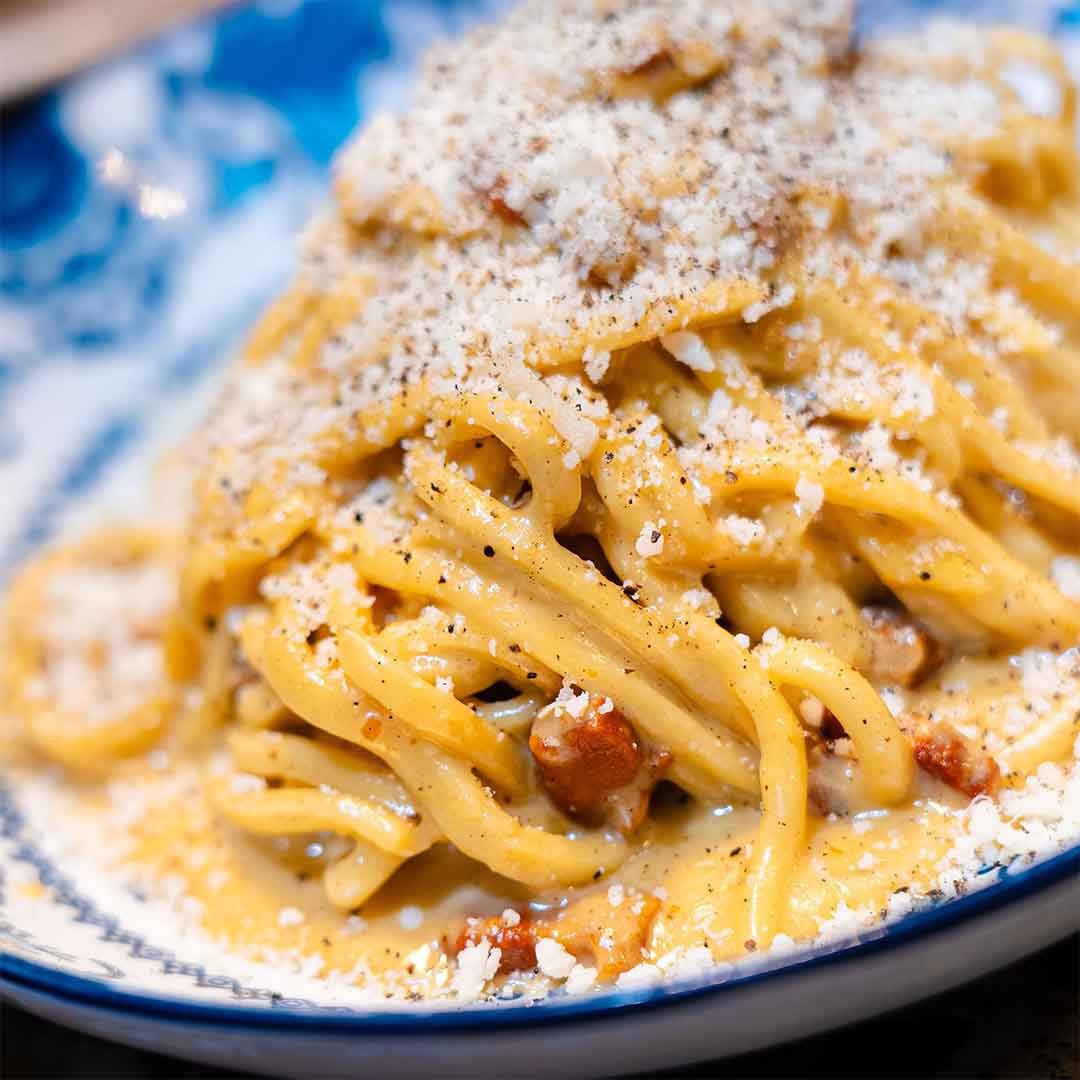
A pasta factory and restaurant where the pasta is made fresh in house every day, and the carbonara is counted among the best in Bogotá. Chef Sebastián Bedoya has spent more than a decade perfecting fresh pasta.
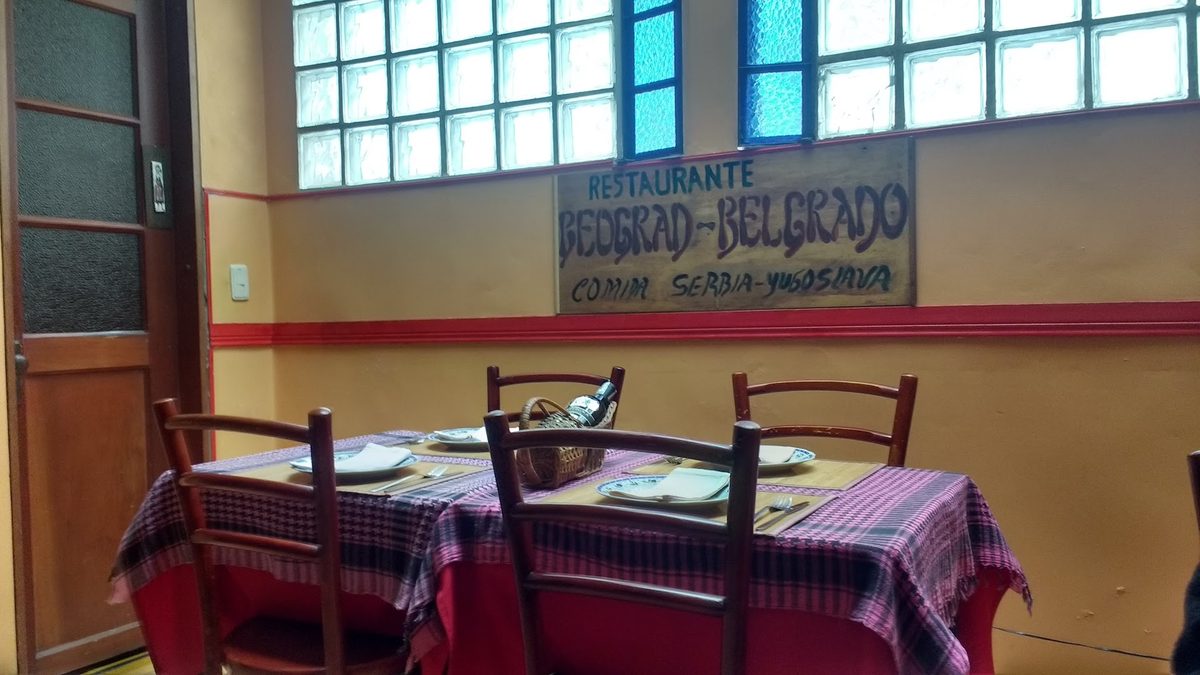
Bogotá's Serbian table, run for more than 20 years by Katarina Markovich, who arrived after the Yugoslav wars. Sarma, Karadjordje schnitzel, goulash and rakija, served in a small brick house on Calle 26B.
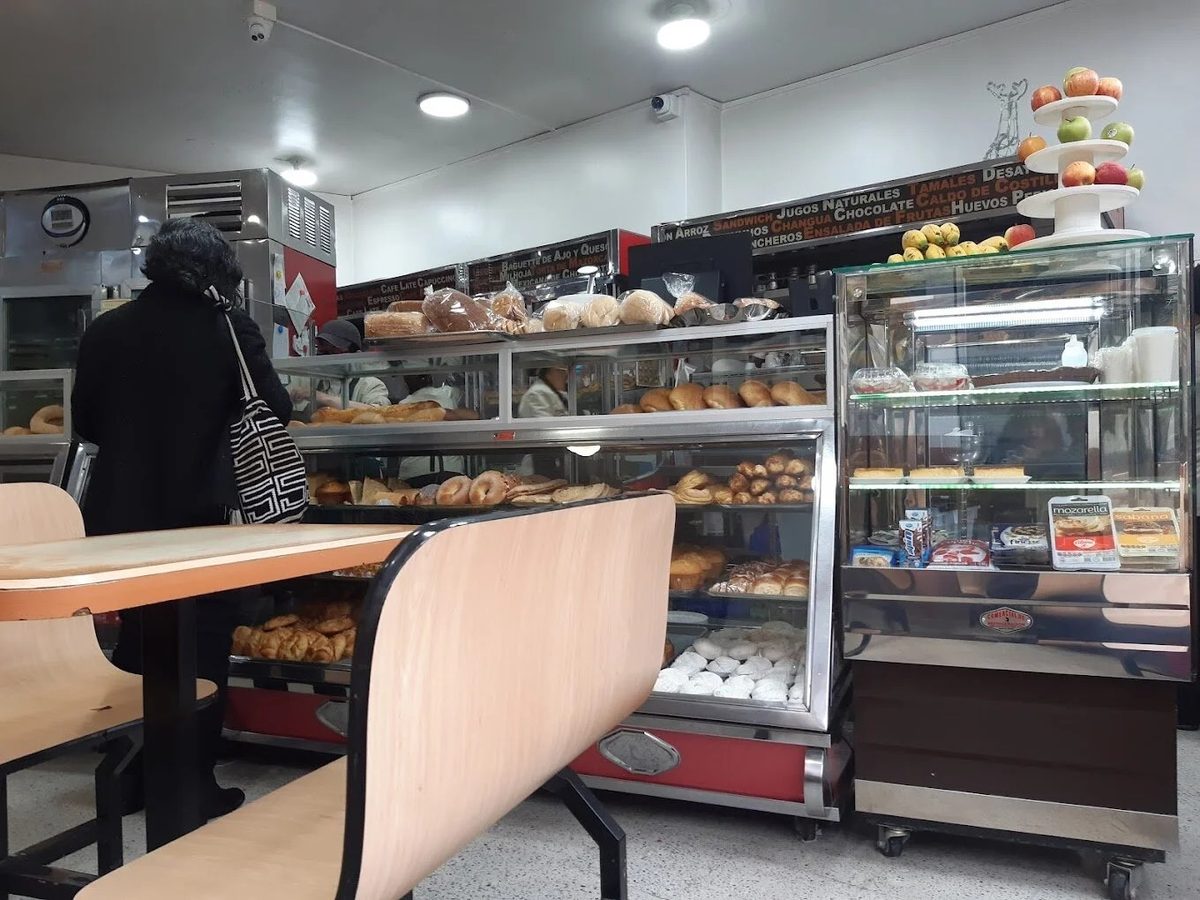
A neighborhood bakery since 1974, and the classic spot for a Bogotá breakfast of tamal, hot chocolate and fresh bread.
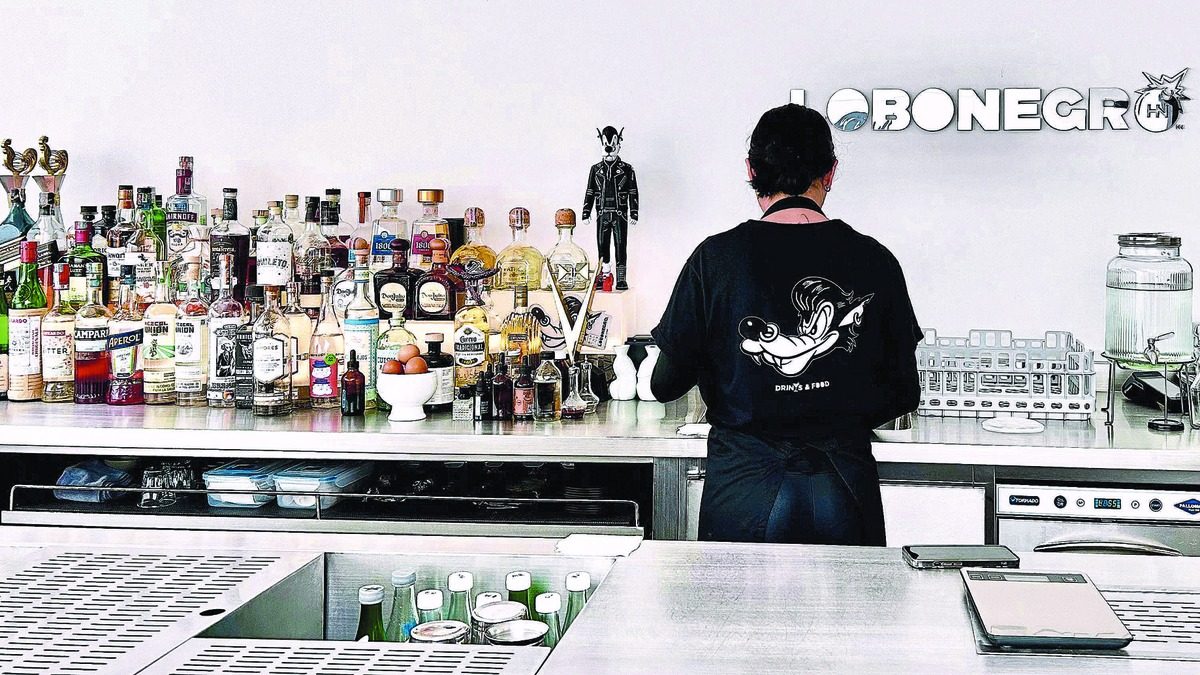
Opened in July 2025 as the younger sibling of Humo Negro, Lobo Negro cooks Colombian comfort food with native ingredients like tucupí and Andean tubers, with a cocktail bar on the top floor of its three-story house.
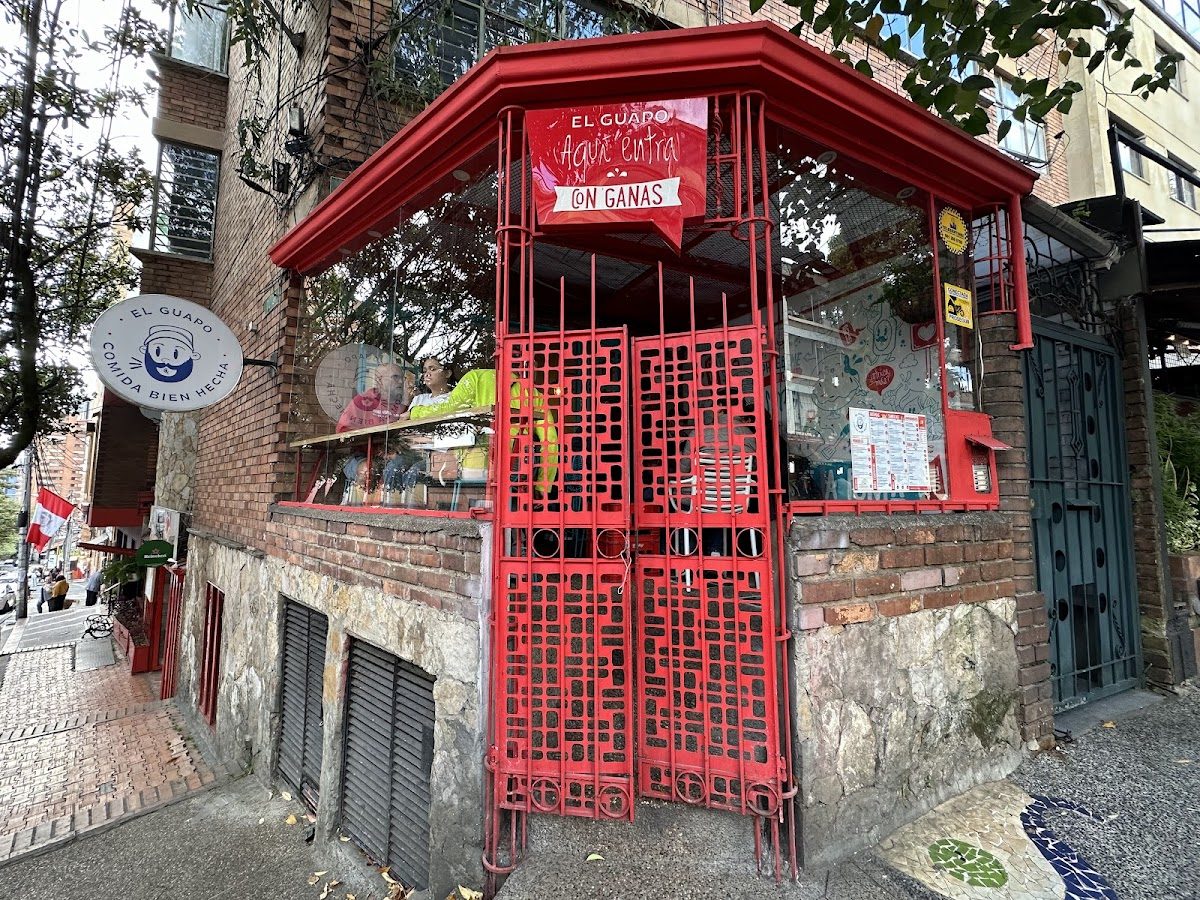
Bold fusion cooking behind a bright red gate: ribs, ramen, lettuce wraps, and the bao sam, a slow-cooked pork shoulder served to share.
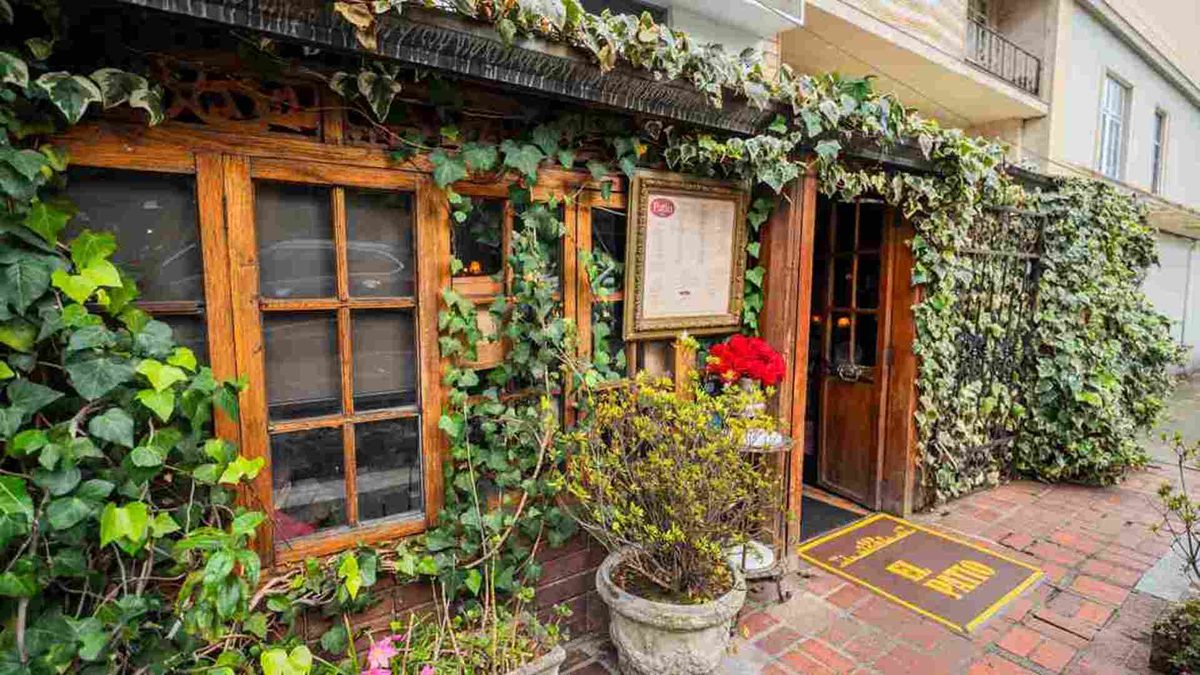
The pioneer of Zona M, serving homestyle food since 1992 from an ivy-covered house on Carrera 4A. A neighborhood institution where the late journalist Jaime Garzón was a regular.
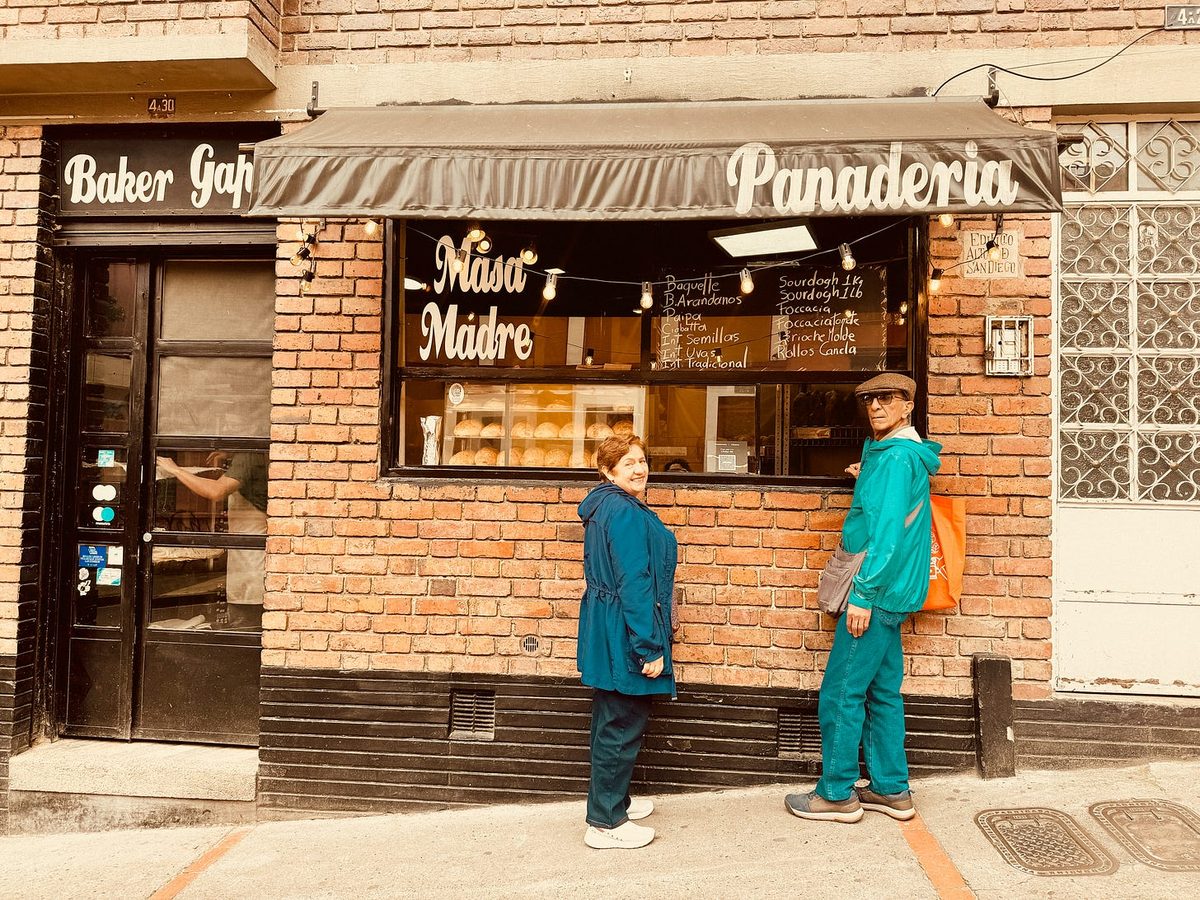
A small sourdough bakery that outgrew its original window and moved to a larger space on Calle 27. Slow-fermented breads are the specialty, and the queso Paipa loaf is a local favorite.
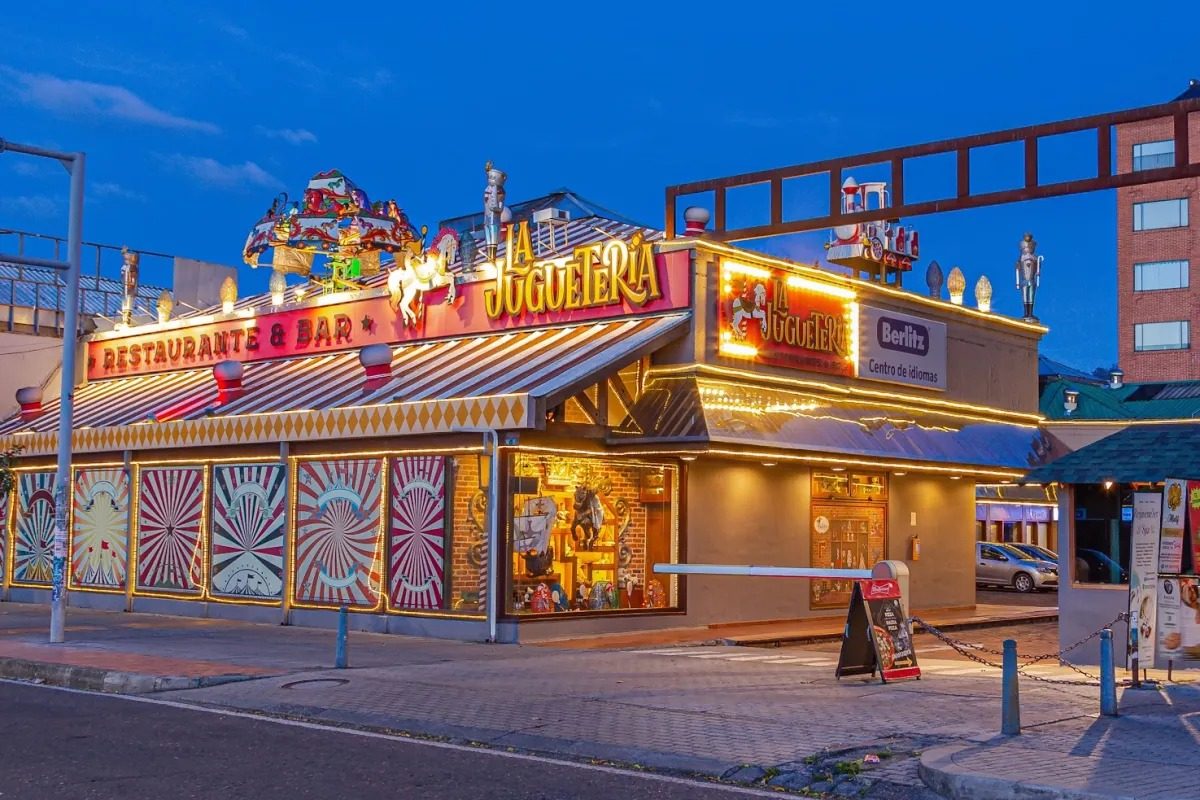
A restaurant decorated like a giant toy box, with pop-culture memorabilia covering the walls and ceilings. It celebrated its 20th anniversary in January 2025 and serves grilled meats in a room that feels like a museum of toys.